Category - Special Collections and Events

Immerse yourself in the world of special collections and events in stamp collecting. Discover a realm of exclusive releases, limited editions, and commemorative stamps that honor significant events, anniversaries, and cultural themes. Explore unique collections dedicated to renowned exhibitions, landmark achievements, and extraordinary moments in history. From first-day covers to exhibition souvenirs, experience the thrill of collecting stamps that capture the essence of special occasions and celebrate the diversity of the philatelic world. Let these exceptional collections and events elevate your stamp collecting journey with their rarity, exclusivity, and historical significance.

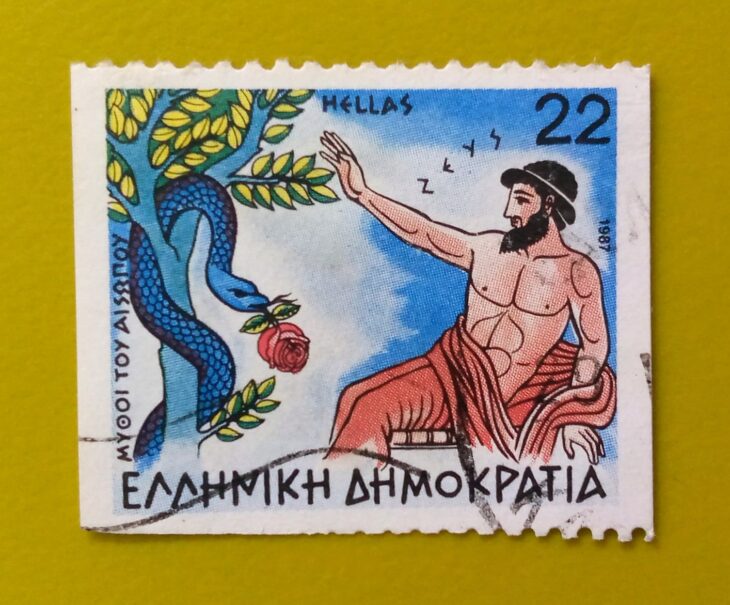
Greece Greek God and the Snake 1987 Stamp

Issue:       Greece Greek God and the Snake 1987 Stamp Type:       Stamp Number of Stamps:         1 Denominations:        22 Dr, Issue Date:          1987 Issued By:        Greece Post 

Issue:       Greece Greek God and the Snake 1987 Stamp

Type:       Stamp

Number of Stamps:         1

Denominations:        22 Dr,

Issue Date:          1987

Issued By:        Greece Post


Symbol of Healing and Wisdom:


Greek God and the Snake stamp honors one of the most meaningful symbols in ancient mythology the sacred serpent associated with Asclepius the god of medicine and healing. This stamp captures the essence of divine wisdom and the eternal struggle between life and death. In Greek mythology the snake was a sacred creature representing renewal and transformation as it sheds its skin and is reborn. The 1987 issue depicts the god holding his staff entwined with a serpent a symbol that continues to represent medicine and healing even today. Through its artistic design and historical depth the stamp pays tribute to Greece lasting influence on science and spirituality. It reminds collectors of the deep respect ancient Greeks held for knowledge health and harmony with nature. stamp stands as a small yet powerful symbol of hope healing and eternal wisdom that connects the past with the present.


A Tribute to the Divine Healer of Ancient Greece:


Stamp celebrates Asclepius the god who taught humanity the art of medicine. In temples dedicated to him people once came seeking cures through faith and ritual healing. The snake coiled around his staff became a universal sign of health and renewal. The 1987 issue reflects this ancient belief through delicate and thoughtful design capturing the god calm and wise presence. The imagery represents the balance between body and spirit and the understanding that true healing comes from harmony with nature. Collectors appreciate this stamp for its historical and cultural depth as it links mythology with modern medical symbolism. It is not only a piece of art but a tribute to Greece enduring legacy of knowledge compassion and the pursuit of well being.


The Serpent and the God a Symbol of Life Eternal:


The stamp beautifully unites myth and meaning. The serpent in Greek culture was never seen as evil but as a sacred sign of life renewal and the healing power of nature. This stamp portrays Asclepius as a guardian of health and wisdom whose presence continues to inspire medical traditions worldwide. The design elegance reflects the timeless artistry of Greece and its reverence for knowledge and balance. For philatelists it holds both artistic and philosophical value. The 1987 stamp reminds us that healing is not only a physical act but a divine gift born from understanding life cycles of pain recovery and rebirth.
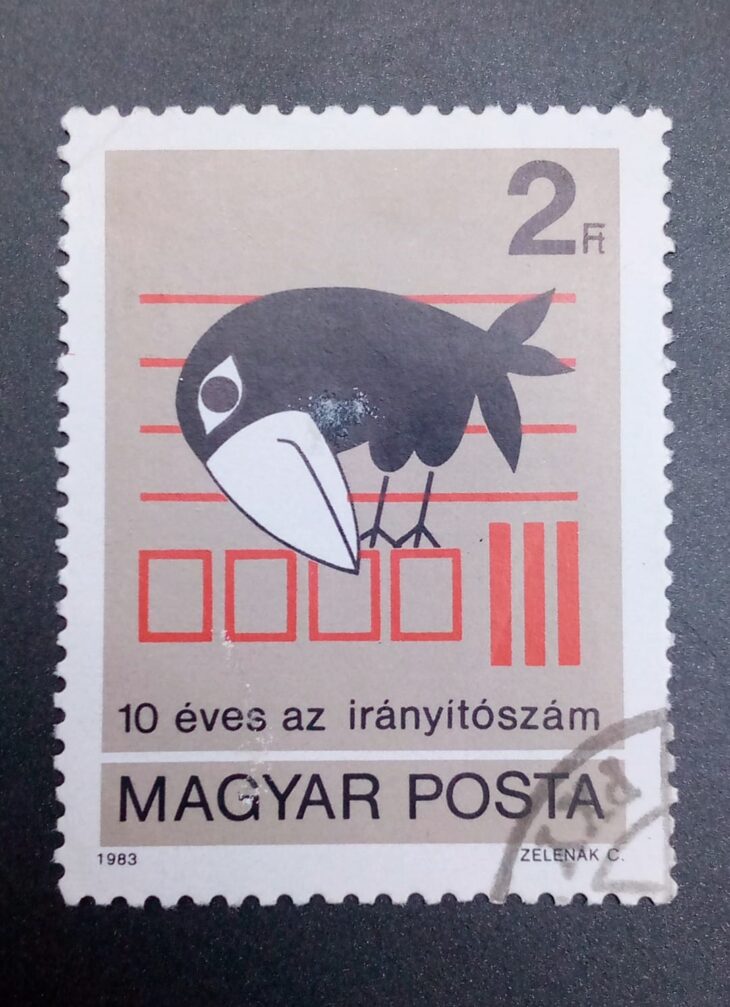

Hungary (Magyar) 10th Anniversary (Postal Code System) 1983 Stamp

Issue:        Hungary (Magyar) 10th Anniversary (Postal Code System) 1983 Stamp Type:       Stamp Number of Stamps:        1 Denominations:       2 Ft, Issue Date:      1993 Issued By:       Hungary Post 

Issue:        Hungary (Magyar) 10th Anniversary (Postal Code System) 1983 Stamp

Type:       Stamp

Number of Stamps:        1

Denominations:       2 Ft,

Issue Date:      1983

Issued By:       Hungary Post


Ten Years of the Postal Code

Hungary introduced a national postal code system in 1973. Ten years later Magyar Posta marked that milestone with this attractive 2 Forint commemorative issue. The artwork shows a black crow standing across large red postal code numerals. Red horizontal lines create a simple background while the bird adds a memorable visual element. The inscription means “10 years of the postal code” in Hungarian. The design was created by graphic artist Crescencia Zelenák. Her name appears near the lower right edge. This compact composition combines communication history with a playful animal image. The four digit figures emphasize the practical purpose behind the anniversary and remind viewers how postal sorting depends on accurate addressing.

A Milestone for Hungarian Mail

The stamp belongs to Hungary 1983 postal issues and carries a denomination of 2 Forint. It was issued by Magyar Posta which was the national postal administration at that time. Catalog records identify the design as the second issue connected with the tenth anniversary of Hungary postal code system. The main Hungarian philatelic listing places it under “10 ÉVES AZ IRÁNYÍTÓSZÁM II.” and records Michel number 3596. Other collector references identify the subject as the postal code system and describe the bird as a crow. The printed wording and numerical motif make the purpose easy to understand even for viewers who cannot read Hungarian.

A Simple Design with Meaning

Hungary began using its four digit postal code system on 1 January 1973. By 1983 the system had reached its tenth anniversary. This commemorative stamp therefore records an important stage in the development of organized mail delivery. The crow gives the picture a distinctive character while the red lines suggest movement or written address information. “Magyar Posta” identifies the issuing postal authority. The 2 Forint value was suitable for ordinary postal use during the period. For collectors this piece offers interest through its connection with postal technology and everyday communication. It also represents Hungarian graphic design from the early 1980. The clean layout strong contrast and unusual bird image make it easy to recognize within thematic collections focused on postal services communication history birds or national issues. Useful for collectors and postal historians alike.

Poland 30th Anniversary (VICTORY DAY) World War II 1975 Stamp

Issue:       Poland 30th Anniversary (VICTORY DAY) World War II 1975 Stamp Type:       Stamp Number of Stamps:        1 Stamps Denomination:        1.50 ZL, Issue Date:        1975 Issued By:     Poland POST 

Issue:       Poland 30th Anniversary (VICTORY DAY) World War II 1975 Stamp

Type:       Stamp

Number of Stamps:        1

Stamps Denomination:        1.50 ZL,

Issue Date:        1975

Issued By:     Poland POST


Poland Victory Day:

The Poland Victory Day World War II Stamp was issued in 1975 with a value of 1 50 zloty It marked thirty years since the end of the Second World War in Europe The design shows a strong hand raising a bouquet of red tulips with the shadow of a soldier in the background The tulips are a symbol of peace and life while the soldier shadow recalls the cost of victory The bright blue background gives hope and a sense of new beginnings The text on the stamp reads Dzien Zwyciestwa 1945 1975 which means Victory Day 1945 1975 This stamp was designed by H Chylinski and printed by PWPW It carries both historic and emotional value for collectors and the nation.


A design of memory and peace:

The Victory Day Stamp of 1975 from Poland is not just a postal item but also a piece of symbolic art It blends the themes of remembrance and renewal The hand with flowers represents life rising after war The shadow of the soldier reminds us of the price that was paid for peace The use of tulips is meaningful as they are linked to spring and rebirth making them a strong contrast against the memory of war The blue background gives the stamp a calm and clear feel making the design both powerful and simple Many collectors see this stamp as one of the most expressive issues of Poland in the 1970.


Thirty years after the war:

This stamp was created to honor the 30th anniversary of victory over fascism in 1945 For Poland the stamp was more than a tribute it was a reminder of sacrifice and a hope for lasting peace The image of flowers and a soldier side by side makes the design timeless and emotional Today it stands as a valuable piece in philately It connects the story of World War II with the promise of life after war Collectors treasure it not only for its design but also for its historical importance

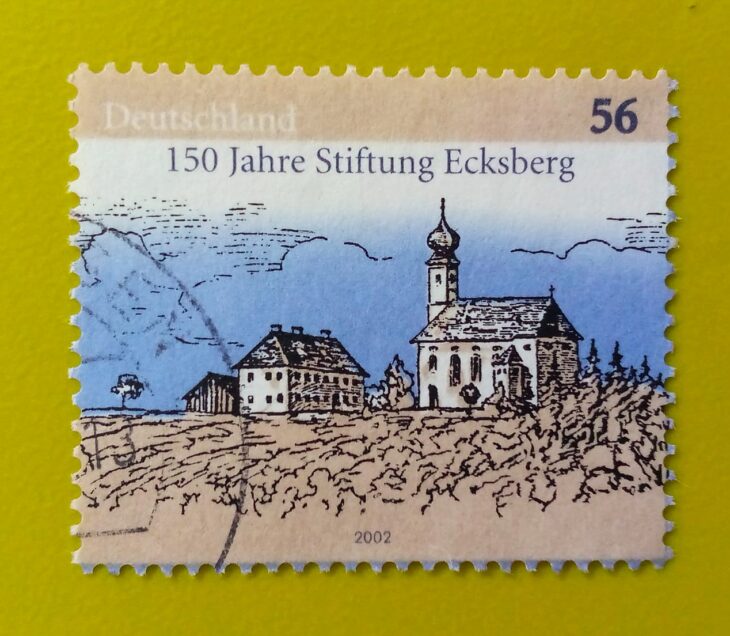
Germany 150 Years of the Ecksberg Foundation 2002 Stamp

Issue:        Germany 150 Years of the Ecksberg Foundation 2002 Stamp Type:       Stamp Number of Stamps:         1 Denominations:          56  PF, Issue Date:          2002 Issued By:       Germany Deutsche Post ( Deutschland )

Issue:        Germany 150 Years of the Ecksberg Foundation 2002 Stamp

Type:       Stamp

Number of Stamps:         1

Denominations:          56  PF,

Issue Date:          2002

Issued By:       Germany Deutsche Post ( Deutschland )


Ecksberg Foundation Stamp Tribute:


The Germany Ecksberg Foundation stamp celebrates a century and a half of service compassion and dedication. The Ecksberg Foundation is one of Germany most respected charitable institutions known for its work supporting people with disabilities and those in need. Founded in 1852 the foundation has stood for kindness and community care through every generation. The 2002 commemorative stamp issued by Deutsche Post honors its long history of humanity and commitment. The design of the stamp shows both the spirit of giving and the beauty of German social values. It reflects the strength of unity and the importance of helping others with love and respect. For collectors this stamp carries deep meaning as it represents not only history but also a message of hope and humanity. The Ecksberg Foundation continues to inspire with its mission to serve and uplift people regardless of their circumstances.


A Legacy of Care and Compassion in Germany:


The 2002 stamp marking is a symbol of charity and empathy. Since its beginning in the nineteenth century the foundation has offered education housing and care for people facing mental and physical challenges. Over the years it became a place of warmth and dignity where everyone is valued. The stamp simple and elegant design honors this spirit showing how love and support can build strong communities. Every line and color on the stamp reflects the quiet power of compassion that has shaped Ecksberg history. For philatelists this issue is not just a collectible but a tribute to human kindness. It reminds us that even the smallest act of help can create a lasting difference in society.


Celebrating Humanity Through German Philately:


Stamp stands as a reminder that true progress is measured by how we care for others. The Ecksberg Foundation long journey shows that compassion and service never go out of style. Through this stamp Germany honors the selfless people who have worked for decades to improve the lives of others. It connects history with heart showing that humanity is the foundation of every great nation. The stamp remains a timeless symbol of faith hope and love shared through generations.

Indonesia Olympics Archery Atlanta 1996 Stamp

Issue:      Indonesia Olympics Archery Atlanta 1996 Stamp Type:       Stamp Number of Stamps:       1 Denominations:        300 Rp, Issue Date:       1996 Issued By:       Indonesia Post 

Issue:      Indonesia Olympics Archery Atlanta 1996 Stamp

Type:       Stamp

Number of Stamps:       1

Denominations:        300 Rp,

Issue Date:       1996

Issued By:       Indonesia Post


Archery at Atlanta 1996

Indonesia marked the 1996 Summer Olympic Games in Atlanta with a commemorative stamp showing an archer in action. The design captures the concentration and skill required in this precise sport. Archery was one of the four medal sports contested at the Atlanta Games and competitions took place at Stone Mountain Archery Center in Georgia. Athletes competed in individual and team events using recurve bows. The Olympic programme featured both men and women. Indonesia postal issue connected national philately with an sporting celebration that brought athletes from many countries together. The issue belongs to Indonesia Olympic releases for the Atlanta Games.

300 Rupiah Commemorative Issue

The stamp was issued by Indonesia on 15 May 1996. Its denomination is 300 Rupiah. Catalog records list the piece under the 1996 Summer Olympics Atlanta issue and identify archery as its subject. The multicolored design uses a compact format suited to a commemorative postal item. Indonesia released other Olympic values in the same group including 700 Rupiah for weightlifting and 1000 Rupiah for badminton. This archery value is part of a broader set celebrating sporting disciplines connected with the Atlanta event. The release appeared before the Olympic competitions began in July which allowed collectors and postal users to mark the approaching festival through correspondence and philatelic collections.

A Symbol of Olympic Skill

Archery has a long history within the modern Olympic movement and returned to the programme in 1972 after an earlier absence. At Atlanta the competition followed a demanding format based on ranking rounds and elimination matches. Every shot required control, accuracy and steady concentration. The Indonesian stamp reflects these qualities through its focused athlete and sporting composition here. For collectors it offers an attractive example of 1990s Indonesian Olympic philately. The 300 Rupiah value adds historical interest because it represents the monetary system used by Indonesia during that period. Together the denomination, national inscription and athletic scene make this issue useful for collections focused on Indonesia, Olympic Games sports or twentieth-century commemorative stamps. Its Atlanta connection also gives the item lasting historical appeal.

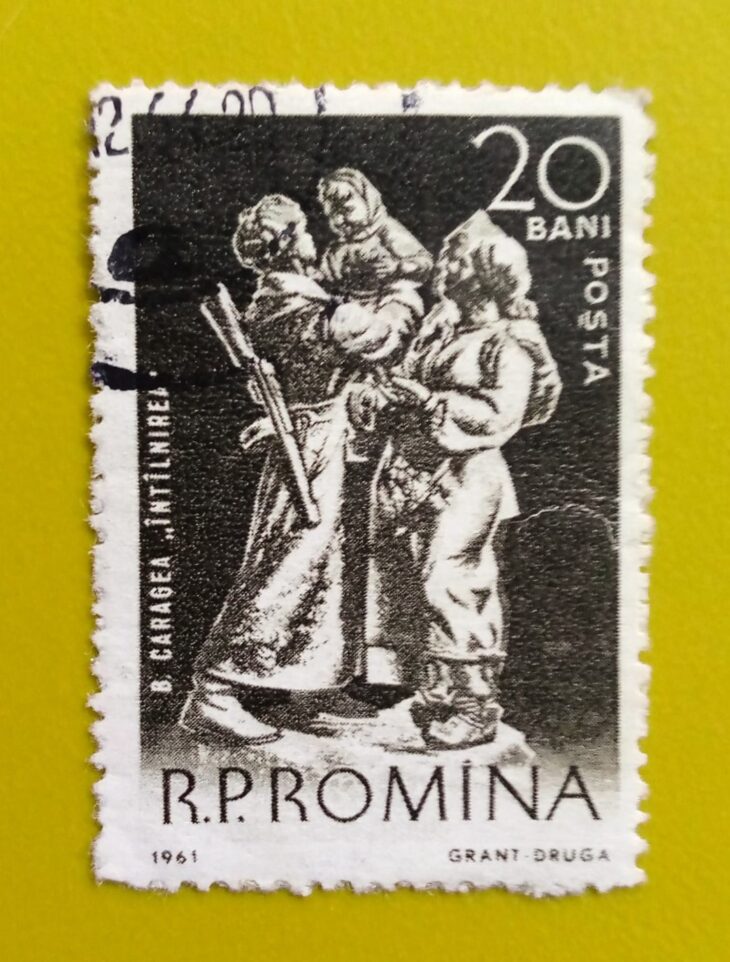
Romania B. Caragea Meeting 1961 Stamp

Issue:       Romania B. Caragea Meeting 1961  Stamp Type:        Stamp Number of Stamps:         1 Stamps Denomination:         20 Bani, Issue Date:          1961 Issued By:      Romania Post 

Issue:       Romania B. Caragea Meeting 1961  Stamp

Type:        Stamp

Number of Stamps:         1

Stamps Denomination:       20 Bani,

Issue Date:        1961

Issued By:      Romania Post


B.Caragea Meeting:

The Romania B Caragea Meeting stamp is a significant issue that recalls an important historical personality in the country past. Barbu Dimitrie Caragea was a prince of Wallachia during the early nineteenth century remembered for his reforms and leadership in a time of challenge. The stamp was issued as part of Romania effort to honor leaders who shaped national identity and history. The artwork shows a thoughtful portrait symbolizing wisdom and strength. Collectors value this issue because it brings a piece of Romanian history into the philatelic world. It stands as both a cultural reminder and a teaching tool for those who learn history through stamp.


Prince Caragea on Romanian Stamp:

Stamp featuring B Caragea as a way to recognize his contribution to the nation governance. Caragea rule from 1812 to 1818 is remembered for both administrative reforms and the challenges of epidemics and economic issues. Despite hardships he remains an important figure in the story of Romania. The stamp reflects this importance by presenting his image with dignity and simplicity. For collectors who specialize in leaders or historical figures this stamp is an essential piece. It links modern philately with the early chapters of Romanian leadership and makes history accessible in a small but meaningful format.


Collectors Treasure Romania B Caragea Stamp

The stamp continues to attract collectors for its cultural and historical value. Beyond its portrait design the stamp represents the way a nation remembers its leaders and preserves their memory. Collectors appreciate the careful engraving and printing style that was common in the early 1960. This issue is not just a postal artifact it is a celebration of national heritage. Many see it as part of a larger story told through Romanian stamps where art and history come together. For philatelists it remains a timeless reminder that stamps are not only for mailing letters but also for carrying the memory of those who helped shape a nation.

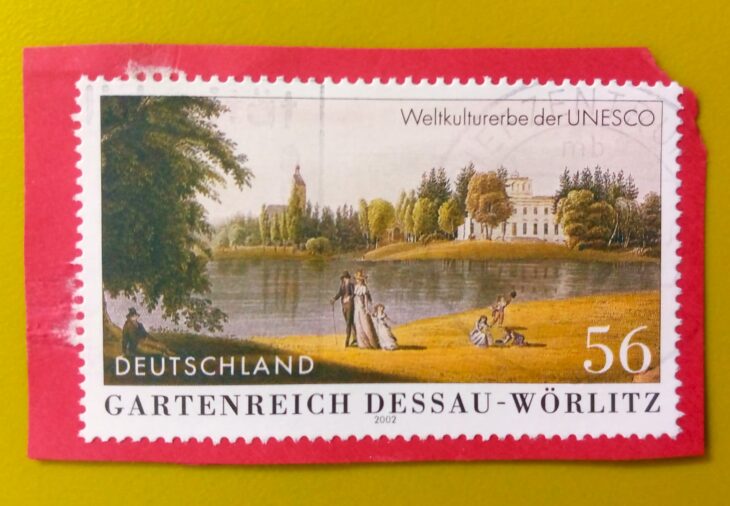
Germany Gartenreich Dessau Wörlitz 2002 Stamp

Issue:        Germany Gartenreich Dessau Wörlitz 2002 Stamp Type:       Stamp Number of Stamps:         1 Denominations:          56  PF, Issue Date:          2002 Issued By:       Germany Deutsche Post ( Deutschland ) 

Issue:        Germany Gartenreich Dessau Worlitz 2002 Stamp

Type:       Stamp

Number of Stamps:         1

Denominations:          56  PF,

Issue Date:          2002

Issued By:       Germany Deutsche Post ( Deutschland )


Beauty of Nature and Art:


The History and Nature stamp celebrates one of the most beautiful cultural landscapes in Europe. The Gartenreich Dessau Wörlitz or Garden Kingdom of Dessau Wörlitz is a masterpiece of landscape design and architecture created in the eighteenth century. It reflects the harmony between nature and human creativity. The stamp issued in 2002 by Deutsche Post highlights the elegance of this UNESCO World Heritage Site. The design of the stamp shows the peaceful beauty of lakes bridges gardens and classical buildings that make this area so unique. Every collector who owns this stamp can feel the quiet charm and timeless grace of German culture and history. It represents a vision of balance between art and nature that continues to inspire visitors and artists around the world. The Garden Kingdom stands as a living example of enlightenment ideals where knowledge beauty and respect for nature unite in perfect peace.


A Tribute to German Heritage and Landscape Art:


The Gartenreich Dessau Wörlitz stamp honors a national treasure of culture and architecture. This garden kingdom located in Saxony Anhalt was developed by Prince Leopold III Friedrich Franz of Anhalt Dessau and his architect Friedrich Wilhelm von Erdmannsdorff. It combines English landscape style with neoclassical structures creating an open-air museum of art and design. The stamp reminds us how visionary leaders once turned natural landscapes into spaces of learning and inspiration. Each path and pond reflects a dialogue between man and nature. The stamp design carefully captures the essence of the site with fine details and soft color tones that evoke peace and beauty. For stamp collectors it is more than just a postal issue it is a mark of admiration for German heritage and timeless landscape art.


Where History and Nature Live Together:


The stamp stand as a symbol of unity between history nature and culture. The garden kingdom represents enlightenment ideas where gardens become classrooms of wisdom and creativity. Through this stamp we see how Germany preserves its treasures of thought and design. It connects the past with the present showing how beauty and knowledge can live together. The stamp invites everyone to explore the calm world of Dessau Wörlitz where every tree bridge and building tells a story of harmony and peace.

Spain Ramon Menendez Pidal Stamp

Issue:     Spain Ramon Menendez Pidal Stamp Type:     Stamp Number of Stamps:       1 Stamps Denomination:      15 PTAS Issue Date:      1971 Issued By:     Spain POST 

Issue:     Spain Ramon Menendez Pidal Stamp

Type:     Stamp

Number of Stamps:       1

Stamps Denomination:      15 PTAS

Issue Date:      1971

Issued By:     Spain POST


A Distinguished Spanish Scholar

This Spanish postage stamp presents Ramón Menéndez Pidal, one of the most important scholars in Spanish cultural history. He was born in A Coruña in 1869 and became known as a philologist, historian, linguist and literary critic. His work focused strongly on the origins and development of the Spanish language. He also studied medieval literature and collected many traditional romances. Through these efforts he helped preserve valuable parts of Spain’s linguistic and literary heritage. The portrait gives the issue a serious academic character. His calm expression and formal appearance reflect the respect associated with his long intellectual career.

A Tribute to Spanish Culture

The 15 pesetas stamp belongs to Spain’s 1971 series honoring notable Spanish personalities. It was officially placed into circulation on 20 April 1971. The design was produced by the Fábrica Nacional de Moneda y Timbre and printed using photogravure. The multicolour portrait fills most of the vertical format while the denomination appears clearly at the upper left. The words Correos España identify the national postal service. A printed name along the lower edge connects the artwork with Ramón Menéndez Pidal. This issue formed part of a four value group that also honored Amadeo Vives, Saint Teresa of Ávila and Benito Pérez Galdós.

A Memorable Philatelic Portrait

For collectors this stamp is interesting because it combines postal history with Spanish intellectual heritage. Menéndez Pidal served as president of the Royal Spanish Academy and made lasting contributions to the study of Spanish language and medieval texts. His influential work Orígenes del español helped reshape research into the early history of the language. The stamp therefore represents more than a portrait. It records the importance given to scholarship during the period and preserves the image of a major Spanish thinker. Its 15 pesetas denomination and colorful engraved appearance also give it a distinctive place within early 1970s Spanish philately. Today the piece can appeal to collectors interested in writers, historians, linguistics, national personalities and classic Spanish postal issues. Its clean composition and historic subject make it a useful reference for themed collections from this period today.

Australia John Duigan Centenary of Powered 1910 Stamp

Issue:      Australian John Duigan Centenary of Powered 1910 Stamp Type:     Stamp Number of Stamps:        1 Stamps Denomination:        1.45 $,  Issue Date:         1910 Issued By:     Australia Post 

Issue:      Australian John Duigan Centenary of Powered 1910 Stamp

Type:     Stamp

Number of Stamps:        1

Stamps Denomination:        1.45 $, 

Issue Date:         1910

Issued By:     Australia Post


Tribute to a True Pioneer:


John Duigan Centenary of Powered Flight stamp celebrates the remarkable achievement of John Robertson Duigan the first person to design build and fly a powered aircraft in Australia. His historic flight took place on July 16 1910 near Mia Mia in Victoria marking a proud moment in Australian aviation history. Stamp beautifully captures this spirit of innovation showing Duigan aircraft soaring against the open sky. It is more than just a stamp it is a tribute to Australian ingenuity courage and determination. Duigan work represented the dream of self reliance as he constructed his aircraft from scratch using local materials. The Centenary of Powered Flight stamp honors his creativity and perseverance. For collectors it carries not only historical value but also inspiration reminding us that great achievements begin with bold dreams. This stamp stands as a timeless symbol of Australia’s early aviation heritage and the vision of a man who helped the nation take flight.


First Home Built Aircraft and Its Visionary Creator:


The stamp honors one of the earliest heroes of Australian engineering. Duigan flight in 1910 was a milestone that placed Australia firmly on the world map of aviation. The stamp elegant artwork showcases his pioneering aircraft and reflects the courage and determination that defined the early years of flight. It celebrates innovation at a time when flying was a daring and dangerous adventure. Duigan was not a showman but a visionary builder who believed in the future of technology. This stamp connects his remarkable spirit with modern Australia identity as a nation of creators and innovators. Collectors value it as a piece of history that reflects both scientific progress and the unshakable spirit of discovery.


John Duigan and the Dawn of Australian Aviation:


The Australia stamp captures a defining moment in the story of flight. It honors the man who achieved the first successful powered flight built entirely on Australian soil. The 2010 issue reflects Duigan dedication to learning and building through perseverance. His accomplishment showed that innovation could thrive anywhere when guided by curiosity and passion. The design symbolizes progress and the joy of achievement. For philatelists this stamp represents both art and history a tribute to those who dared to rise above limits. The Duigan stamp is a proud reminder of Australia’s contribution to aviation and the spirit of invention that continues to inspire future generations.

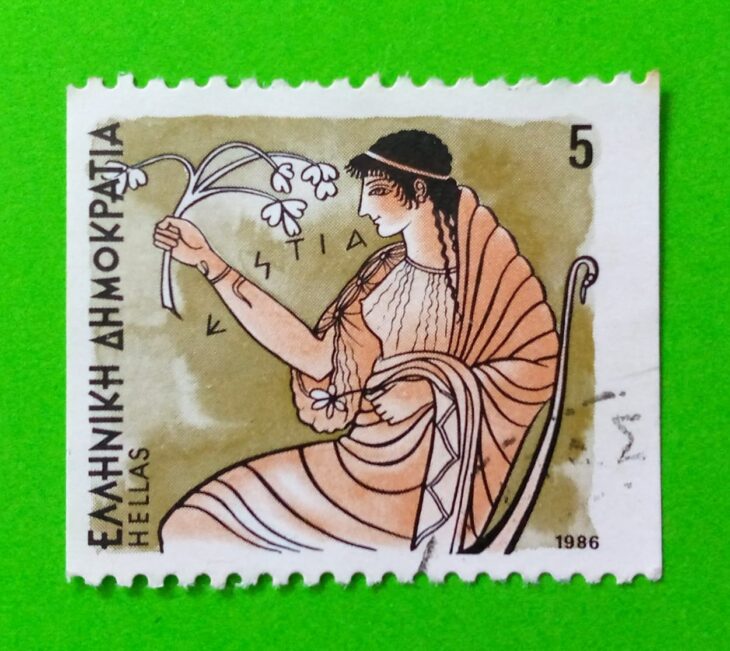
Greece Goddess of the Hearth 1986 Stamp

Issue:       Greece Goddess of the Hearth 1986 Stamp Type:       Stamp Number of Stamps:         1 Denominations:         5 Dr, Issue Date:          1986 Issued By:        Greece Post 

Issue:       Greece Goddess of the Hearth 1986 Stamp

Type:       Stamp

Number of Stamps:         1

Denominations:         5 Dr,

Issue Date:          1986

Issued By:        Greece Post


Symbol of Home and Harmony:


The Goddess of the Hearth stamp honors Hestia the gentle and pure deity who symbolized warmth family and sacred fire in ancient Greek mythology. As the goddess of the hearth she represented the heart of every home and temple where her flame burned eternally as a sign of peace and unity. The 1986 issue captures her calm dignity often shown with a veil or holding a flame symbolizing comfort and protection. Hestia presence in Greek culture was quiet but essential she was the unseen guardian of every household and the bond that held families together. This stamp beautifully reflects her divine simplicity and importance within the pantheon of Olympus. For collectors it is a treasure that conveys the softer side of mythology one of kindness hospitality and spiritual warmth. stamp stands as a tribute to the enduring values of harmony and home that define human life.


A Tribute to Hestia Keeper of the Sacred Flame:


Stamp pays homage to Hestia the firstborn of the Olympian gods and the eternal protector of domestic life. In ancient Greece every fire in every city was believed to be connected to her sacred flame symbolizing community and continuity. The stamp artwork reflects her serene nature showing her as a figure of peace and devotion surrounded by symbols of light and warmth. Unlike other gods who sought glory through war or adventure Hestia strength came from stillness and care. The 1986 issue celebrates her quiet power and reminds us that even in mythology gentleness can be divine. For philatelists this stamp carries deep meaning it tells a story of devotion tradition and the sanctity of home. It is a symbol of the spiritual hearth that connects humanity across ages and cultures.


The Eternal Flame of Greece Preserved in a Stamp:


The stamp captures the spirit of faith and togetherness that defined ancient Greek life. Through its elegant design it celebrates Hestia role as the keeper of the sacred flame that united families and cities. Her warmth brought comfort her fire represented purity and stability. The stamp serves as both an artistic and cultural tribute showing how Greek mythology continues to inspire the modern world. For collectors it is more than an image it is a reminder of the values that shaped civilization the strength of home the peace of unity and the light of the divine hearth that never fades.