Category - France

Delve into the enchanting world of French philately with the captivating postage stamps of France. Immerse yourself in the rich artistic heritage and cultural diversity represented in the designs. From the classic issues featuring Marianne, the symbol of France, to the commemorative releases honoring renowned artists, historical events, and picturesque landscapes, discover a treasure trove of French history and culture. Collect the exquisite engravings, explore the intricate details, and experience the beauty and elegance of France stamp collecting, where art and history intertwine.

French Polynesia Ivory Coast Woman 1c 1936 Stamp

Issue:      France Polynesia Ivory Coast Woman 2c 1936 Stamp Type:       Stamp Number of Stamps:        1 Denominations:          1 C, Issue Date:          1936 Issued By:      France post

Issue:      France Polynesia Ivory Coast Woman 2c 1936 Stamp

Type:       Stamp

Number of Stamps:        1

Denominations:          1 C,

Issue Date:          1936

Issued By:      France post


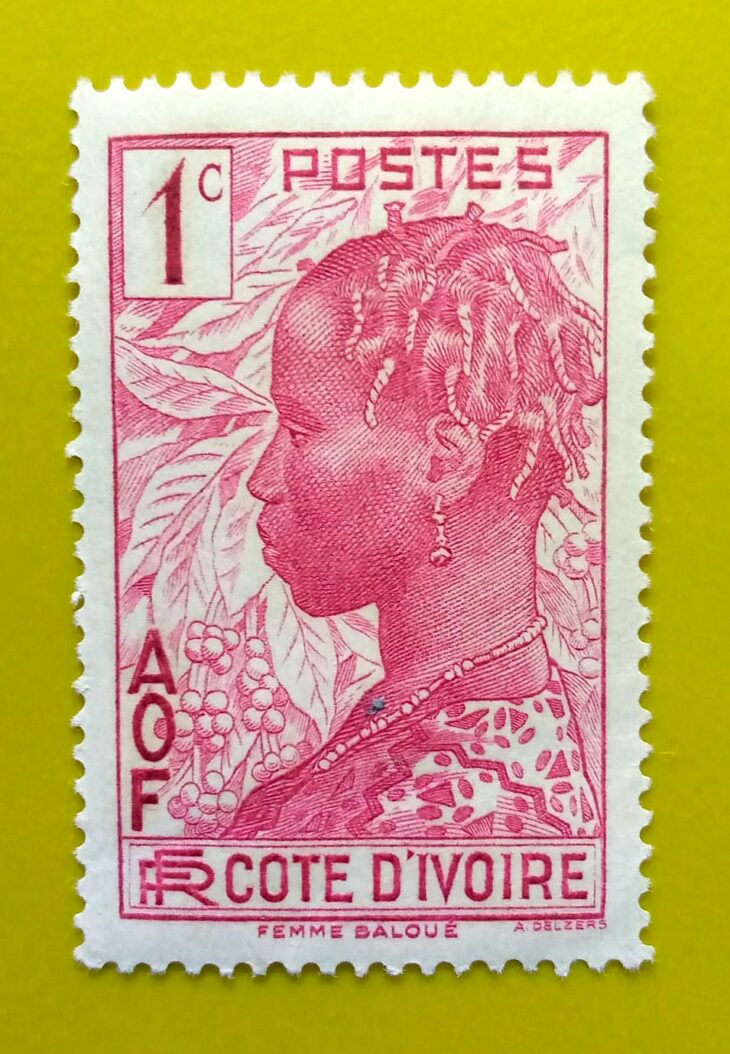
Colonial Beauty with Cross-Continental Roots:


The 1936 1 centime stamp from French Polynesia featuring an Ivory Coast woman is a fascinating example of how the French colonial empire reused powerful imagery across its territories. Although this stamp was issued in the Pacific islands of French Polynesia the portrait is unmistakably African depicting a woman from the Ivory Coast dressed in traditional attire with a proud and composed expression. Her braided hairstyle and adorned jewelry reflect the elegance and cultural richness of West African heritage. Framed by the standard colonial design with the inscription Établissements Français de l’Océanie the image sends a message of unity and pride under the French flag. This blend of geographic identities makes the stamp unique in both purpose and symbolism.


One Face Many Messages Across the Empire:


The use of an African woman portrait on a Polynesian stamp was not accidental. France colonial policy often employed shared artwork and engraved designs across its overseas departments and colonies. The 1c denomination made this a widely used stamp for basic mailing purposes which meant the image traveled far and wide. To the French it reinforced the image of a vast and connected empire. To today viewers and collectors it opens a dialogue on how identity representation and aesthetics were managed during the colonial era. The engraved artwork is fine and deliberate using soft shadows and strong lines to create both realism and grace in the woman portrait. Though anonymous her figure stands with quiet authority becoming a symbol of strength across multiple cultures.


A Quiet Witness of Empire and Elegance:


More than just a low value stamp the 1c 1936 French Polynesia Ivory Coast Woman issue remains a small yet powerful testament to colonial history and artistic legacy. It reflects both the strategies of empire and the unexpected beauty that emerged through design. it offers a rare example of how a single image connected two distant parts of the world Africa and Oceania through ink and paper. The stamp lives on today as a collector gem and a reminder that behind every postal issue lies a deeper story of place people and purpose that still resonates through time.
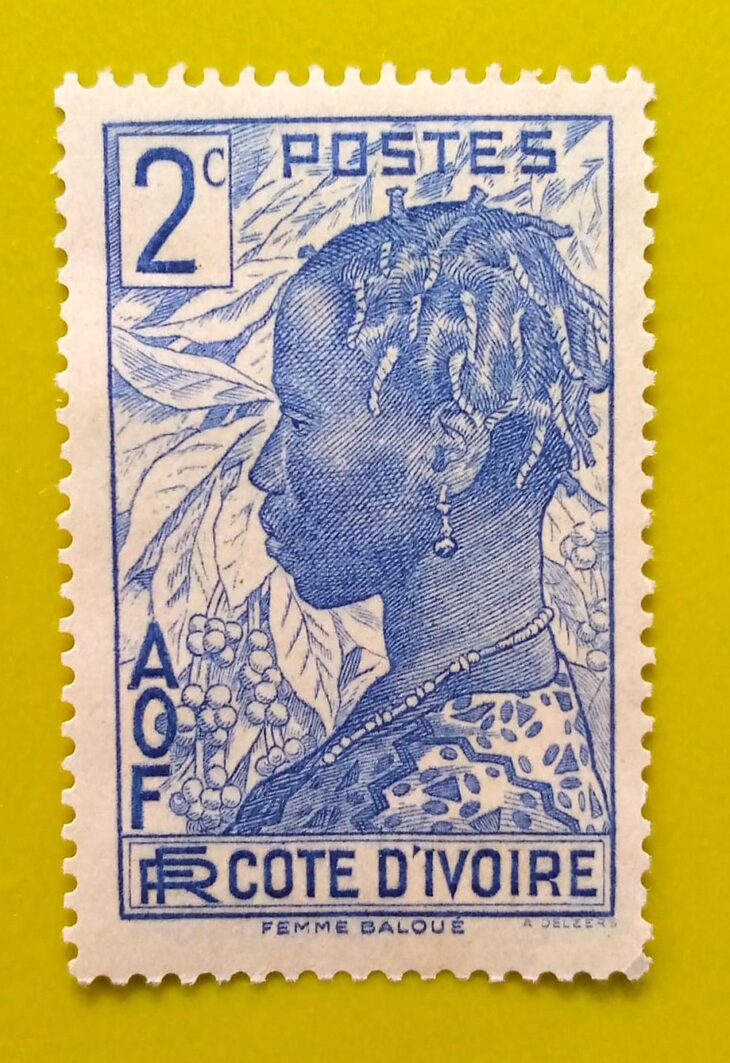
French Polynesia Ivory Coast Woman 2c 1936 Stamp

Issue:      France Polynesia Ivory Coast Woman 2c 1936 Stamp Type:       Stamp Number of Stamps:        1 Denominations:          2 C, Issue Date:          1936 Issued By:      France post 

Issue:      France Polynesia Ivory Coast Woman 2c 1936 Stamp

Type:       Stamp

Number of Stamps:        1

Denominations:          2 C,

Issue Date:          1936

Issued By:      France post


Grace and Strength in Colonial Portraiture:


The 1936 stamp featuring an Ivory Coast woman is a compelling piece of colonial era philatelic art that highlights the dignity and cultural richness of African identity within the broader context of the French overseas empire. Though issued under the name Établissements Français de l’Océanie (French Establishments in Oceania) this stamp draws on France larger colonial iconography which often used portraits of African women across multiple territories. The woman is depicted in traditional attire with her hair elegantly wrapped and adorned with jewelry symbolizing not just beauty but social status and heritage. Her posture is confident and upright a proud representation of West African grace printed for Pacific use a rare and fascinating example of cross colonial symbolism.


Artistry That Spanned Continents and Oceans:


Engraved with precision and framed in classic colonial design this stamp stands out for both its artistic finesse and its unexpected blending of geographic references. Though the subject is an Ivory Coast woman the stamp was used in French Polynesia demonstrating how France reused powerful imagery across its empire. The portrait is not anonymous it speaks volumes about strength identity and the layered complexities of being both admired and objectified in colonial visual culture. The engraving uses deep lines warm earth tones and balanced framing to create an image that feels both personal and official. The woman face is expressive and thoughtful not just a generic model but a symbolic ambassador of African presence in the colonial world.


A Symbol Beyond Its Time and Borders:


Today this stamp offers collectors and historians a meaningful glimpse into the colonial imagination and the ways in which France portrayed its subjects across multiple regions. Ivory Coast Woman stamp from French Polynesia is more than a postal item it is a cross cultural echo reflecting how imagery was reused to link colonies under one imperial vision. Yet beyond its intended message the strength and elegance of the woman endure as a reminder of real lives and stories behind the ink. It is a rare piece that bridges Africa and Oceania framed in tradition but still speaking to modern eyes with timeless humanity.

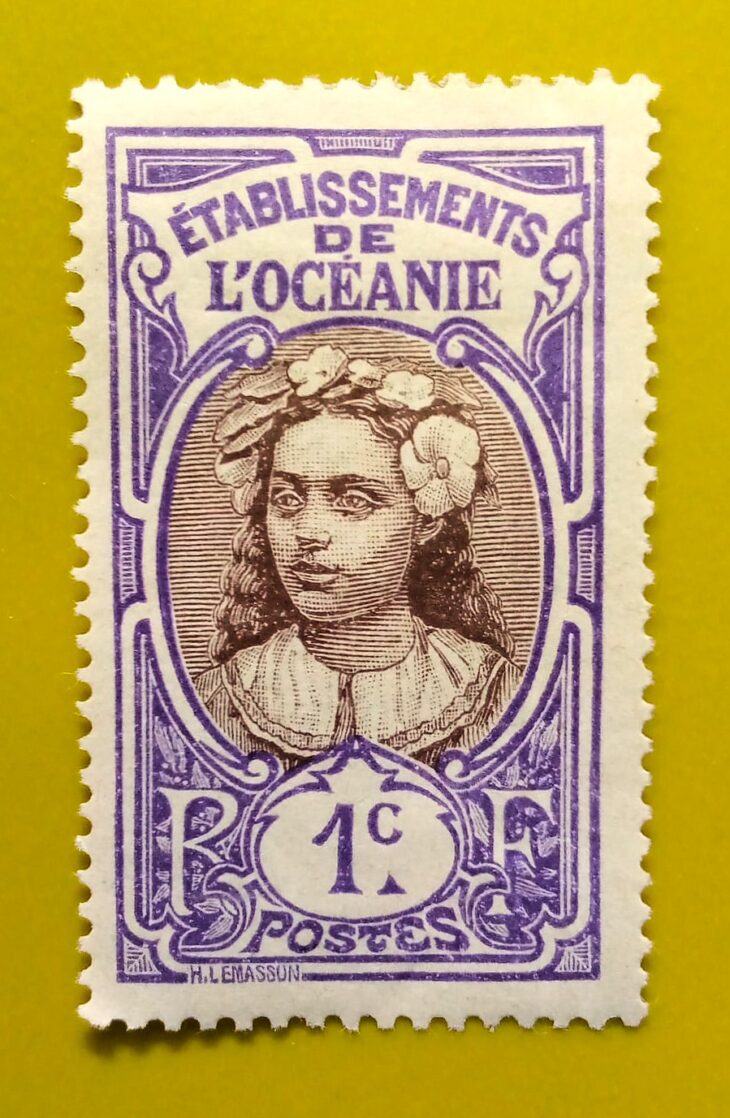
France Polynesia Tahiti Woman Oceania Establishments 1913 Stamp

Issue:      France Polynesia Tahiti Woman Oceania Establishments 1913 Stamp Type:       Stamp Number of Stamps:        1 Denominations:          1 C, Issue Date:          1913 Issued By:      France post

Issue:      France Polynesia Tahiti Woman Oceania Establishments 1913 Stamp

Type:       Stamp

Number of Stamps:        1

Denominations:          1 C,

Issue Date:          1913

Issued By:      France post


Island Beauty Framed in Colonial Elegance:


The 1913 stamp from French Polynesia featuring a Tahiti woman is a striking example of early 20th century colonial era art through philately. The woman depicted wears traditional attire with floral ornaments symbolizing the gentle grace and cultural richness of Tahitian life. Her portrait is set within a bold engraved frame marked with RF for République Française and the country name across the top.


Engraved Identity from the Pacific Shores:


This 1913 stamp was part of a definitive series used throughout French Oceania including Tahiti and surrounding islands. The denomination often appeared in centimes or francs with this stamp typically showing 10c to 25c values intended for basic letter rates. The engraving style used fine lines and deep shading to bring out the natural features of the woman shown reflecting both skill and intention. These stamps served more than postal purposes they were a controlled form of visual diplomacy blending colonial power with admiration of indigenous life. The result was a culturally significant and visually elegant issue that stood out from more generic European designs of the time.


From Local Portrait to Global Symbol:


The 1913 Établissements de l’Océanie stamp showing a Tahitian woman is more than just a means of postage it is a portal to a distant time and place. This stamp circulated during an era when colonial powers used postage not only to connect their empires but also to shape narratives about the lands they governed. The woman depicted is serene and strong a symbol of the Pacific indigenous grace. Her image traveled far beyond the shores of Tahiti carried on letters to France Europe and beyond subtly introducing the world to a culture few had ever seen. Her quiet gaze and traditional dress are not only a statement of identity but also a challenge to invisibility asserting presence in a world that often overlooked colonized people.

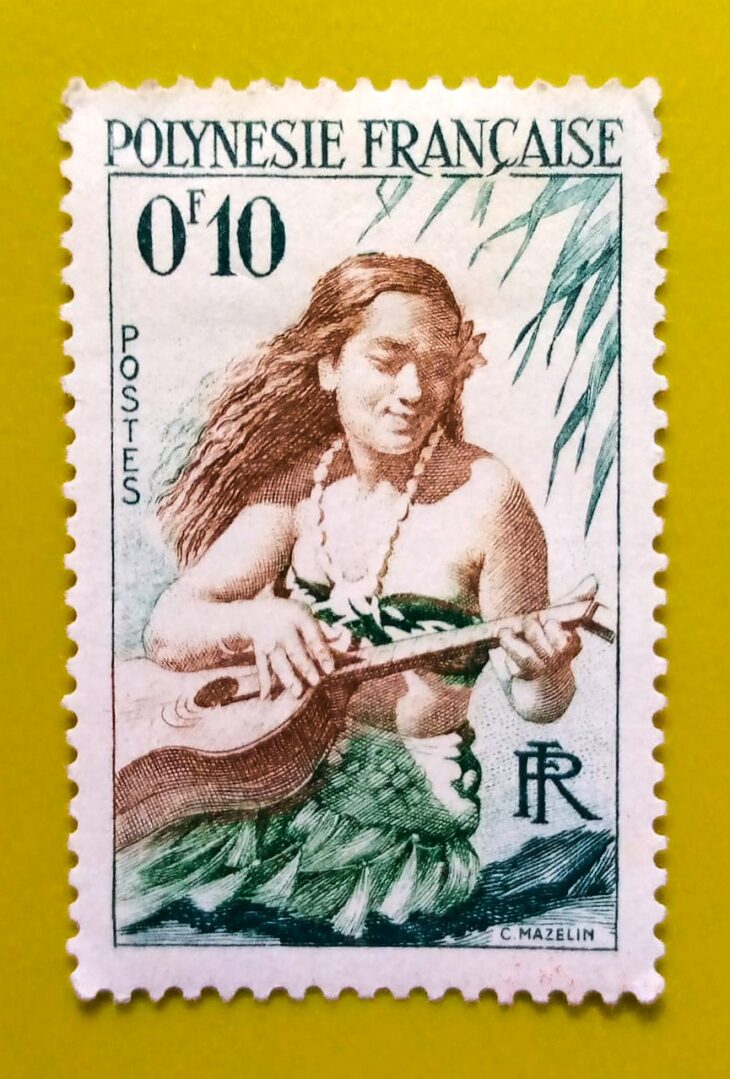
French Polynesian Girl Playing Guitar 1958 Stamp

Issue:      France Polynesian Girl Playing Guitar 1958 Stamp Type:      Stamp Number of Stamps:        1 Denominations:          0.10 F, Issue Date:         1958 Issued By:     France post 

Issue:      France Polynesian Girl Playing Guitar 1958 Stamp

Type:      Stamp

Number of Stamps:        1

Denominations:          0.10 F,

Issue Date:         1958

Issued By:     France post


Island Melody in a Moment of Stillness:


Stamp from French Polynesia showing a local girl playing a guitar is a peaceful and captivating image that reflects the spirit and soul of island life. The stamp captures a timeless moment not only of music but of cultural pride and everyday beauty. With a warm color palette and fine engraved lines it gives an artistic portrayal of Polynesian tradition. This stamp does more than represent mail it sings softly of heritage rhythm and the relaxed lifestyle that defines the Pacific islands.


A Graceful Scene from the French Overseas Realm:


Issued under the French colonial administration in the Pacific this 1958 stamp belongs to a series that aimed to highlight local life in France overseas territories. French Polynesia known for its unique blend of French influence and Polynesian identity was often represented through images of nature culture and people. The image of the girl playing guitar was both authentic and idealized showing the balance between leisure and tradition. At a time when stamps were carefully chosen to represent the face of a place this design stood out for its intimacy and calmness. The stamp includes the country name and denomination alongside the elegant engraving which was common in mid-century French colonial issues.


From Music to Mail a Message of Harmony:


The French Polynesian Girl Playing Guitar stamp is a small but powerful piece of art and storytelling. It’s a stamp that travels far beyond its borders sharing a glimpse of Polynesian culture with the world. Whether used for everyday letters or preserved in collections it represents more than just a value it carries an emotional and visual tune. The guitar a symbol of both local and global music culture acts as a bridge connecting the island to the rest of the world. Through soft lines and a quiet pose this stamp endures as one of French Polynesia most poetic and memorable postal issues.

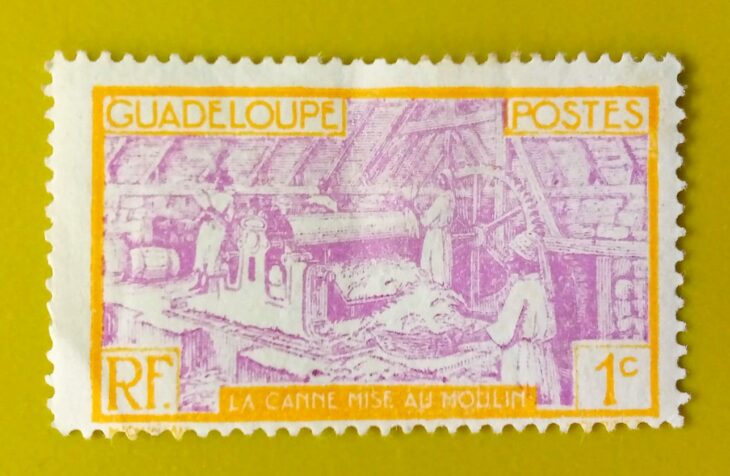
France Guadeloupe Sugar Mill 1928 1c stamp

Issue:      France Guadeloupe Sugar Mill 1928 1c Stamp Type:      Stamp Number of Stamps:        1 Denominations:         1 C, Issue Date:         1928 Issued By:     France post 

Issue:      France Guadeloupe Sugar Mill 1928 1c Stamp

Type:      Stamp

Number of Stamps:        1

Denominations:         1 C,

Issue Date:         1928

Issued By:     France post


A Glimpse into Island Labor and Colonial Life:


The 1928 1 centime stamp from Guadeloupe offers a detailed and respectful look into the island most vital industry sugar production. Titled La canne mise au moulinor The cane placed in the mill the stamp shows workers feeding sugarcane into a large mechanical mill. This image captures not only the physical labor but also the structured and enduring rhythm of plant action life that defined Guadeloupe economy for centuries. As a French overseas colony Guadeloupe daily life and industries were often featured on postage to represent both local identity and colonial productivity. The engraving is precise with careful attention to the details of the workers tools and architectural setting.


French Colonial Design in Everyday Postage:


Part of a broader definitive series released by France for its colonies the 1928 Guadeloupe 1c stamp falls into a category of stamps that combined practicality with messaging. These were not commemoratives but working stamps used on routine correspondence. However their artwork carried visual messages about colonial wealth order and economic value. The 1c denomination meant it was widely used perhaps more than any other stamp of its time. It bore the initials RF for République Française and was engraved by notable designers who elevated the scene from a basic illustration to a miniature work of art. The mill shown is likely symbolic representing many across the island that processed sugarcane into one of Guadeloupe key exports.


A Stamp of Labor Culture and Quiet Power:


Today this 1 centime stamp stands as both a postal relic and a cultural window. It tells the story of the workers whose labor fueled Guadeloupe sugar economy long before and after the stamp was issued. For collectors it’s a prized part of France colonial stamp legacy rich in historical context and artistic merit. It reminds us that stamps were never just about mail but also about identity place and the industries that shaped daily life. Through this small image we see the strength and rhythm of Guadeloupean life carved in ink and paper sent across oceans with every letter.

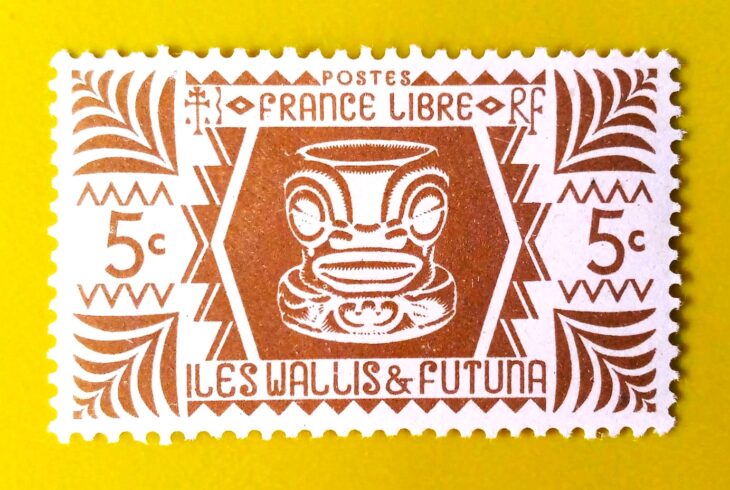
French Wallis & Futuna Islands 1944 5c Stamp

Issue:      France Wallis & Futuna Islands 1944 Stamp Type:      Stamp Number of Stamps:        1 Denominations:          5 c, Issue Date:         1944 Issued By:      France post 

Issue:      France Wallis & Futuna Islands 1944 Stamp

Type:      Stamp

Number of Stamps:        1

Denominations:          5 c,

Issue Date:         1944

Issued By:      France post


Pacific Loyalty to Free France:


Wallis & Futuna 5cstamp is a small but powerful symbol of wartime allegiance and colonial resilience. In 1942 Wallis and Futuna a remote French territory in the South Pacific formally broke ties with the Vichy regime and declared loyalty to Free France. The 5 centimes stamp originally part of a prewar colonial series, was reissued in 1944 with this bold overprint turning it into a miniature declaration of political identity. Though simple in appearance this stamp reflected a significant shift in allegiance during a global conflict. It connected a tiny Pacific island community with a much larger struggle for liberty national pride and the future of France.


Colonial Design Reimagined in Wartime:


Before the war Wallis and Futuna stamps often featured local motifs such as outrigger canoes, native scenery and French colonial symbols. The 5c denomination was commonly used for basic domestic mail and featured standard colonial artwork. In 1944 existing stock was overprinted with the words France Libre and a Cross of Lorraine the emblem of Free France. This reissue not only gave the stamp a new political meaning but also reflected the urgent wartime need to adapt and reuse materials. The overprint was more than a postal adjustment it transformed the stamp into a tool of propaganda and unity. It told every sender and receiver that Wallis and Futuna stood with democratic France even from across the ocean.


A Tiny Stamp with Historical Weight:


Stamp is a valued piece for collectors interested in Free France, wartime issues, and Pacific history. Its rarity is increased by the islands small population and limited postal circulation. Mint condition examples or covers with clear cancellations are especially prized. It’s a small relic of defiance and solidarity, carrying a legacy far greater than its size.

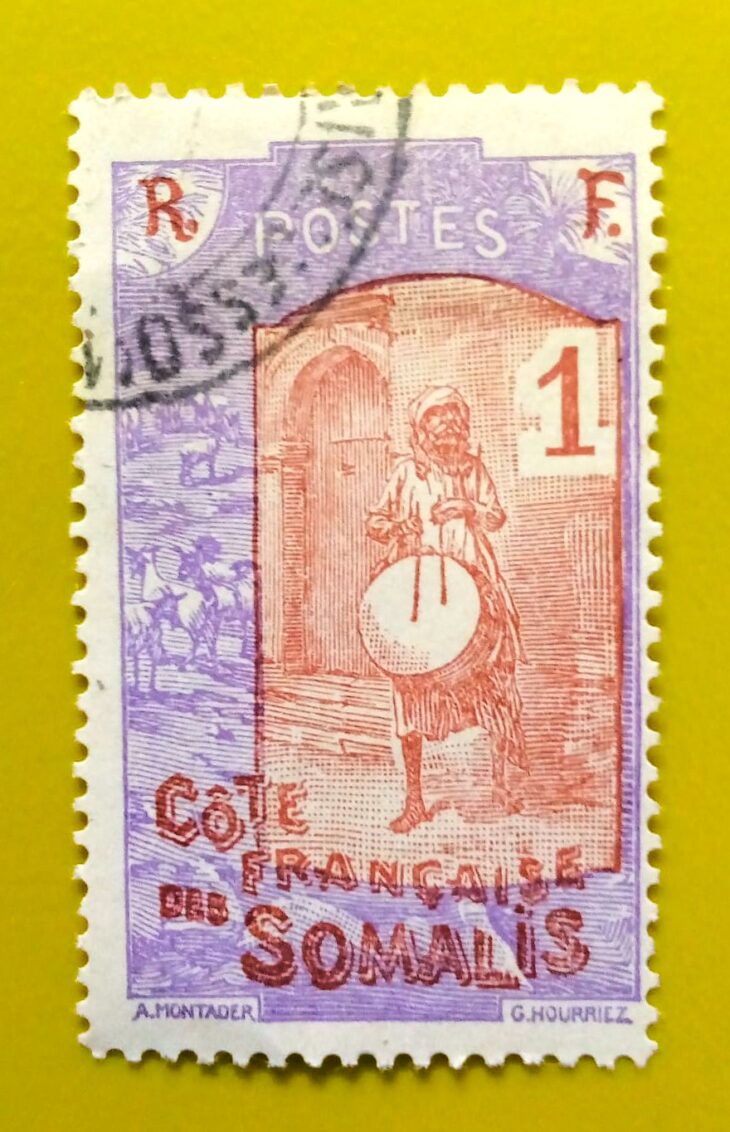
France and Colonies Somaliland 1915 Stamp

Issue:     France and Colonies Somaliland 1915 Stamp Type:      Stamp Number of Stamps:        1 Denominations:         1 C, Issue Date:        1915 Issued By:     France post 

Issue:     France and Colonies Somaliland 1915 Stamp

Type:      Stamp

Number of Stamps:        1

Denominations:         1 C,

Issue Date:        1915

Issued By:     France post


Colonial Emblem of the Horn of Africa:


The 1915 France and Colonies stamp from French Somaliland offers a vivid look into colonial era postal heritage. Printed during the height of French expansion in Africa this stamp displays a finely engraved portrait or symbolic scene framed by the typical RF (République Française) emblem. French Somaliland known today as Djibouti held a key strategic location near the Red Sea and was vital for maritime trade routes. The stamp not only served as a postage medium but also a soft power tool showcasing French authority influence and administration in East Africa. Often printed in detailed bicolor formats with ornate designs, these stamps reflect both European craftsmanship and the colonial gaze.


Portraits Trade and Post in Djibouti Early Days:


During this period, stamps from French colonies carried depictions of local life indigenous people colonial officials and symbolic themes of agriculture trade or transport. The 1915 French Somaliland stamp fits within this larger artistic and geopolitical tradition. Typical issues might show African warriors native women or French allegorical figures intended to merge local imagery with European iconography. The denomination varied often in centimes or francs and the stamps were used for domestic and international mail leaving ports like Djibouti City. French colonial stamps not only connected places physically through the mail they also created visual representations of identity that were carried across the globe.


Historical Ink That Echoes Empire:


The 1915 Somaliland stamp is a collector gem rare significant and beautifully designed. It bridges the worlds of African colonial history and classical French engraving. It may have once carried a letter a receipt or a government dispatch but today it carries the weight of history. Its value lies in the artistic rendering the historical context of World War I and France ambitions in East Africa. While the borders and names have changed the stamp remains a frozen moment in time offering insights into colonial rule trade networks and the intersection of empire and expression. A piece of French and African history preserved in perforated paper.

France Colony Series 1c Martinique Women 1908 Stamp

Issue:      France Colony Series 1c Martinique Women 1908 Stamp Type:      Stamp Number of Stamps:        1 Denominations:         1C, Issue Date:        1908 Issued By:      France post 

Issue:      France Colony Series 1c Martinique Women 1908 Stamp

Type:      Stamp

Number of Stamps:        1

Denominations:         1C,

Issue Date:        1908

Issued By:      France post


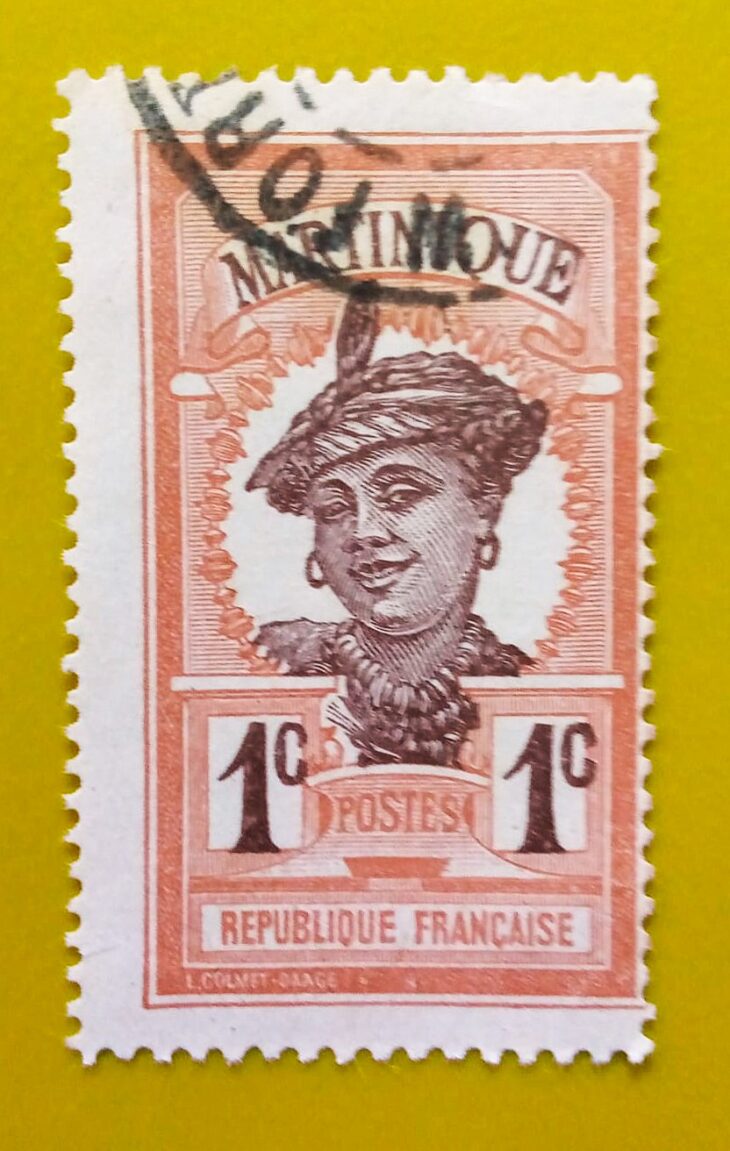
Timeless Portrait from the French Caribbean:


The 1 centime Martinique stamp from the 1908 France Colony Series features a striking portrait of a woman in traditional Caribbean dress capturing the grace and identity of Martinique during the early 20th century. Issued under French colonial rule this stamp was part of a larger series celebrating the diverse cultures within France overseas territories. The woman headwrap earrings and necklace are all carefully illustrated showing local fashion and pride in cultural heritage. Though modest in denomination this 1c stamp is rich in meaning representing the island people and the elegance of everyday life. The engraved portrait style combined with bold design elements made this issue both functional and symbolic.


Symbol of Local Identity in Colonial Design:


France colonial stamps often served more than postal duties they reinforced presence promoted unity and displayed cultural diversity. The 1c Martinique stamp stands out with its refined yet accessible visual presentation. The woman on the stamp symbolizes the dignity and resilience of Caribbean women during a time of colonial oversight. Surrounded by ornate framing and the label République Française this stamp also featured MARTINIQUE at the top to proudly mark its origin. While produced in France the stamp allowed a regional face to be seen across the world as mail moved from island to continent and beyond. It offered a respectful artistic glimpse into Martinique identity through colonial eyes.


From Common Use to Cultural Memory:


Though the 1 centime stamp was originally intended for everyday use it has become a cultural artifact over time. It tells a layered story of empire representation and identity. For collectors today this stamp holds more than monetary value it preserves a portrait of a time place and person often left out of mainstream history books. Its delicate lines and quiet beauty continue to draw interest reminding us that even small stamps can carry deep meaning. As part of the renowned France and Colonies Series the 1908 Martinique woman stamp is a treasured piece that honors the island’s voice style and place in the colonial narrative while still radiating timeless pride and dignity.

French Wallis & Futuna Islands 1944 Stamp

Issue:      France Wallis & Futuna Islands 1944 Stamp Type:      Stamp Number of Stamps:        1 Denominations:          10 c, Issue Date:         1944 Issued By:      France post

Issue:      France Wallis & Futuna Islands 1944 Stamp

Type:      Stamp

Number of Stamps:        1

Denominations:          10 c,

Issue Date:         1944

Issued By:      France post


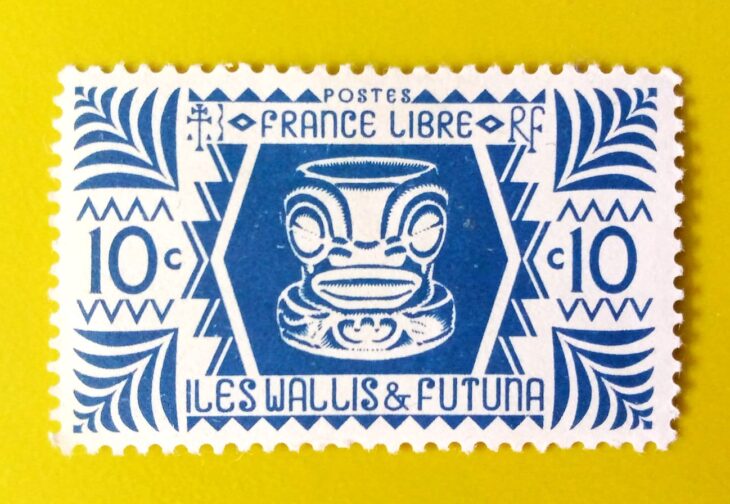
Island Loyalty in Wartime Ink:


The Wallis and Futuna Islands stamp marks a significant moment in the Pacific during World War II when the remote territory declared allegiance to Free France. Located in the South Pacific between Fiji and Samoa Wallis and Futuna was a small but strategically symbolic territory under French colonial rule. In 1942 the islands joined General Charles de Gaulle Free French movement rejecting the Vichy regime. The 1944 stamp issue commemorated this allegiance bearing the overprint France Libre and often featuring patriotic motifs or colonial imagery. Though tiny in size the stamp carried a loud message it declared that even the most isolated islands stood firm for liberty and unity under Free France. The issuance was both political and postal acting as a small but potent form of resistance through communication.


Colonial Design Reflects French Authority:


The stamp designs from this period often combined local identity with French colonial elements. In many cases earlier Wallis and Futuna definitive stamps were overprinted with France Libre or similar wartime inscriptions to reflect the new political alignment. These stamps typically included traditional imagery like native canoes or oceanic motifs yet framed within French visual style symbolizing both the local culture and its colonial governance. The 1944 issue stands as a wartime modification of earlier peacetime issues asserting that even as the world was engulfed in conflict France global presence now through Free France remained intact. The use of overprints also served a practical function allowing the revalidation of existing stamp stock without the need for entirely new print runs during a time of global material shortages.


Rare Wartime Issue with Global Significance:


The  stamp is a cherished collectible among philatelists focused on Free France World War II and Pacific island territories. Due to the islands remote location and limited population few of these stamps were issued or preserved adding to their rarity. Mint condition stamps with clear overprints are especially prized. Beyond its monetary value this stamp represents a powerful intersection of colonial history wartime politics and island identity. It stands as a quiet but meaningful declaration of freedom printed in ink and paper at the far edge of the world.

France Guadeloupe Sugar Mill 1928 2c Stamp

Issue:     France Guadeloupe Sugar Mill 1928 2c Stamp Type:      Stamp Number of Stamps:       1 Denominations:         2C, Issue Date:        1928 Issued By:     France post 

Issue:     France Guadeloupe Sugar Mill 1928 2c Stamp

Type:      Stamp

Number of Stamps:       1

Denominations:         2C,

Issue Date:        1928

Issued By:     France post


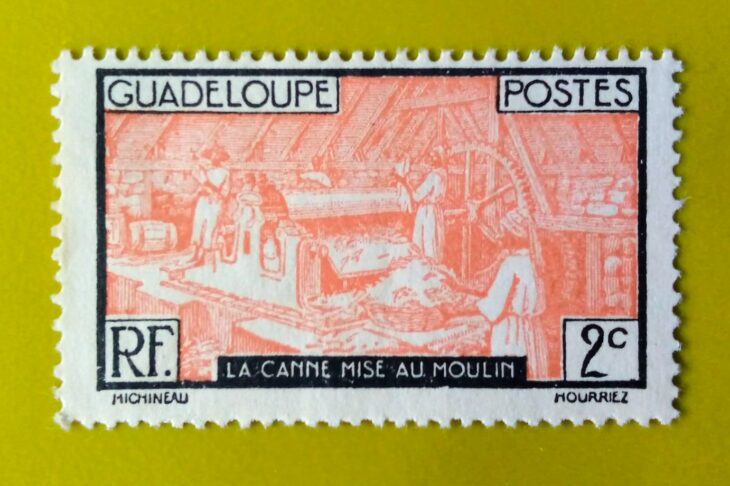
Island Life Carved in Copperplate:


The 1928 Guadeloupe Sugar Mill stamp captures a moment of local labor and tradition through meticulous engraving. At only 2 centimes this stamp might seem minor in value but it holds immense cultural and historical significance. Titled La canne mise au moulin or The cane placed in the mill it shows island workers pushing bundles of sugarcane into the gears of an old style mill. The interior of the structure is clearly defined with wooden beams machinery and human figures all contributing to the daily rhythm of life in colonial Guadeloupe. It is not merely a depiction of work it is a testimony to the endurance and identity of the people on the island.


French Colonial Pride in Local Industry:


This stamp was part of a larger definitive series issued by France for its overseas colonies during the interwar period. Released in 1928 the Guadeloupe 2c stamp belonged to a visual campaign designed to promote local economic activities like sugar production while reinforcing ties to the French Republic. The RF initials (République Française) and strong border design emphasize order control and pride in colonial infrastructure. Though politically rooted in colonial propaganda the artwork respectfully highlights the labor-intensive sugar process that shaped the Caribbean economy. Both designers Michineau and Hourriez are credited for their fine detail bringing this everyday task into high-relief imagery that endures nearly a century later.


Historic Postage with Lasting Message:


For collectors today the Guadeloupe Sugar Mill stamp is more than a piece of old mail it’s a valuable artifact from a complex historical narrative. Its beauty lies in both its art and its honesty. It tells of real people who worked hard often under unequal systems but who also built and sustained the cultural and economic life of their homeland. This stamp connects the dots between industry and identity between labor and legacy. Though small in size it offers a big picture view of Guadeloupe colonial past through the lens of craftsmanship resilience and everyday dignity that remains relevant in postal and historical circles alike.