Tag - King George VI

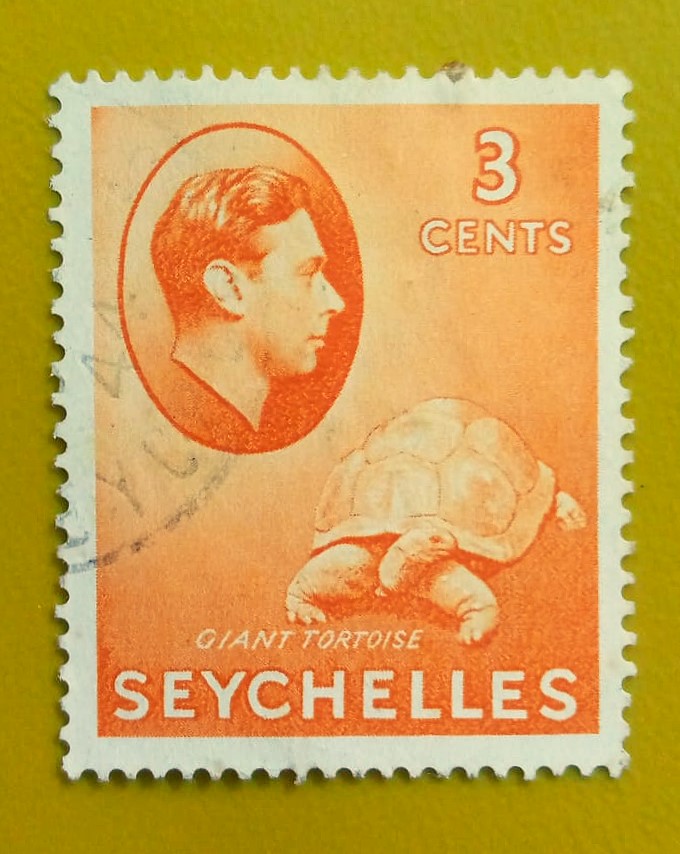
Seychelles King George VI (Giant Tortoise) 3c 1938 Stamp

Issue:        Seychelles King George VI (Giant Tortoise) 3c 1938 Stamp Type:         Stamp Number of Stamps:        1 Denominations:         3 C, Issue Date:         1938 Issued By:      Seychelles Post

Issue:        Seychelles King George VI (Giant Tortoise) 3c 1938 Stamp

Type:         Stamp

Number of Stamps:        1

Denominations:         3 C,

Issue Date:         1938

Issued By:      Seychelles Post


A Symbol of Seychelles and its Natural:


The Seychelles George VI (Giant Tortoise) stamp is a fascinating piece of postal history that brings together both the natural beauty of the islands and their colonial past. this stamp belongs to the definitive series released during the reign of King George VI who appears in profile on the left side of the design. Alongside his portrait the stamp proudly displays the Aldabra giant tortoise one of the most iconic species of Seychelles and a symbol of longevity and uniqueness. This combination of royalty and nature made the issue very distinctive compared to many colonial stamps of the time which often focused solely on monarchs or coats of arms. By including the tortoise Seychelles showcased its special biodiversity to the wider world through postage that traveled across countries and continents. The stamp orange red tone gave it a bright and eye catching look while the three cent value made it a commonly used denomination for everyday mail.


The Importance of the Giant Tortoise:


The Aldabra giant tortoise is not just a creature of Seychelles but a living treasure that links the islands to ancient times. Highlighting this tortoise on the stamp sent a strong message of pride in the unique environment of the islands. While many colonial issues were centered only on imperial figures Seychelles stamps stood out by giving equal space to native wildlife. The design spoke of balance between human history and natural history showing the monarch as the ruler while the tortoise represented the soul of the islands themselves. For collectors this imagery makes the stamp highly desirable since it carries meaning beyond simple postal duty. It tells a story of how Seychelles identified itself under colonial rule and how it used postage as a window to display its treasures.


Why Collectors Value this Classic Issue:


The stamp holds historical artistic and cultural value. Its age and condition play a role in its worth but beyond financial terms it stands as a timeless collectible. It marks the early twentieth century era when stamps served not just as postal instruments but as miniature ambassadors of a nation identity. Today it remains a charming piece of philatelic history connecting collectors to both the reign of King George VI and the majestic giant tortoises of Seychelles.
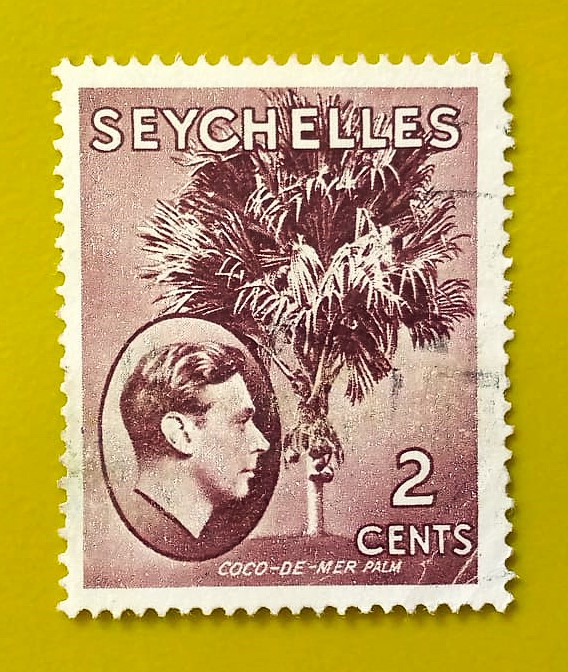
Seychelles King George VI Coco-de-mer Palm 1938-49 Stamp

Issue:       Seychelles King George VI Coco-de-mer Palm 1938-49 Stamp Type:       Stamp Number of Stamps:       1 Stamps Denomination:        2 C, Issue Date:        1938-49  Issued By:       Seychelles Post

Issue:       Seychelles King George VI Coco-de-mer Palm 1938-49 Stamp

Type:       Stamp

Number of Stamps:       1

Stamps Denomination:        2 C,

Issue Date:        1938-49

Issued By:       Seychelles Post


Beauty of Seychelles and its Famous Palm:


The Seychelles Coco de mer Palm stamp is a true piece of history that brings together culture nature and royalty. It was issued when Seychelles was still under British colonial rule and it shows the portrait of King George VI alongside the famous Coco de mer palm. This palm tree is one of the rarest and most symbolic plants in the world and it only grows naturally in the Seychelles islands. By including it on a postage stamp the country highlighted one of its most treasured natural wonders while also showing its connection to the British crown. The mix of royal imagery with a local symbol makes this stamp special not just for collectors but also for people who appreciate the story behind it.


Nature and Royal Legacy:


The design of the stamp is very striking in its simplicity and meaning. On one side there is the portrait of King George VI who ruled the United Kingdom from 1936 until 1952 and his image was widely used on colonial issues. On the other side stands the Coco de mer palm which is famous for producing the largest seed in the world. This contrast of a human leader with a natural wonder captures the idea of how nature and leadership were tied together in colonial symbolism. For Seychelles it also meant putting a spotlight on the island unique flora which has no match anywhere else. Collectors admire this issue because it reflects both artistic value and cultural significance.


A Collectible Piece that Preserves a Story of Identity:


This stamp is more than just an old postal item it is a small artwork that preserves the story of Seychelles during the late 1930 and 1940. It tells us about the identity of the island at that time its relationship with Britain and its pride in natural heritage. For philatelists it belongs to the classic definitive set of Seychelles under King George VI which ran from 1938 until 1949. Today these stamps are treasured for their historical importance and their beautiful engraving style. The Seychelles King George VI Coco de mer Palm stamp is a reminder of how a single small piece of paper can carry history nature and art all in one frame.

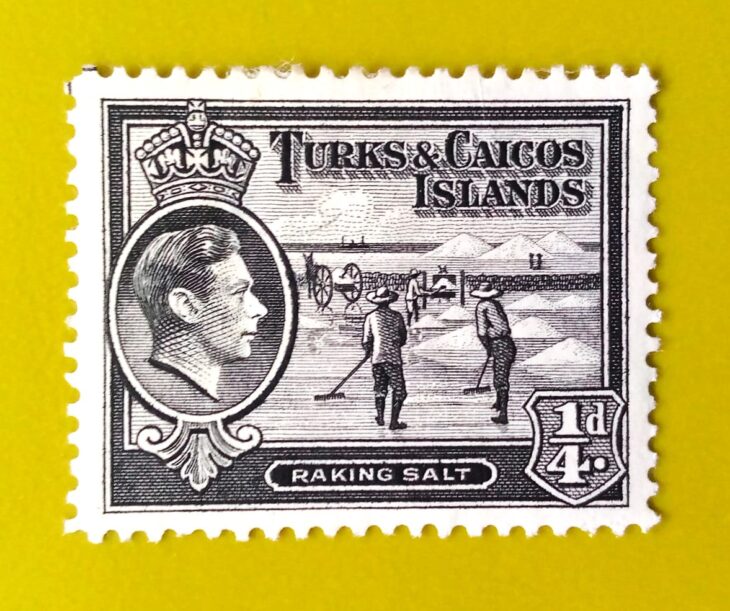
Turks and Caicos Islands Raking Salt 1938 Stamp

Issue:          Turks and Caicos Islands Raking Salt 1938 Stamp Type:        Stamp Number of Stamps:        1 Stamps Denomination:         1/4 d, Issue Date:         1938 Issued By:       Turks and Caicos Islands (British Overseas Territory)

Issue:          Turks and Caicos Islands Raking Salt 1938 Stamp

Type:        Stamp

Number of Stamps:        1

Stamps Denomination:         1/4 d,

Issue Date:         1938

Issued By:       Turks and Caicos Islands (British Overseas Territory)


Salt Industry at the Heart of Island Life:


The Turks and Caicos Islands Raking Salt stamp captures a key element of the islands colonial economy salt harvesting. Issued as part of the 1938 1951 King George VI definitive series the stamp depicts local workers raking salt in expansive salt pans, a common sight on the islands for over 300 years. Salt was once known as white gold in Turks and Caicos, and this image highlights the hard physical labor involved in its production. The stamp is not just a depiction of labor it’s a historical document showing how natural resources shaped daily life and international trade in a small British colonial territory. It reflects the rhythm of island life and the enduring connection between people and environment.


Royal Profile Over Colonial Industry:


In the upper corner of the stamp sits a formal portrait of King George VI framed in an oval symbolizing British authority and the colonial system in place at the time. It presented a visual narrative: the king calm gaze watching over productive loyal territories. The contrast between the formal royal portrait and the gritty sun drenched labor scene reflects the reality of colonial life where local industries powered the empire wealth. This design technique served not only a postal purpose but also communicated imperial order and pride. The stamp detailed engraving and balanced composition make it a visually compelling piece of philatelic art.


Collectible Echo of a Working Past:


The 1938 Raking Salt stamp is treasured by collectors of British colonial issues Caribbean history and labor themed philately. It is often sought in mint or used condition and full sets from the George VI series are particularly desirable. The stamp is more than just a collector item it’s a window into the socio economic story of Turks and Caicos. It preserves the memory of salt workers whose efforts defined the islands early identity and whose legacy lives on in this timeless little piece of history.

Kenya King George VI 1952 Stamp

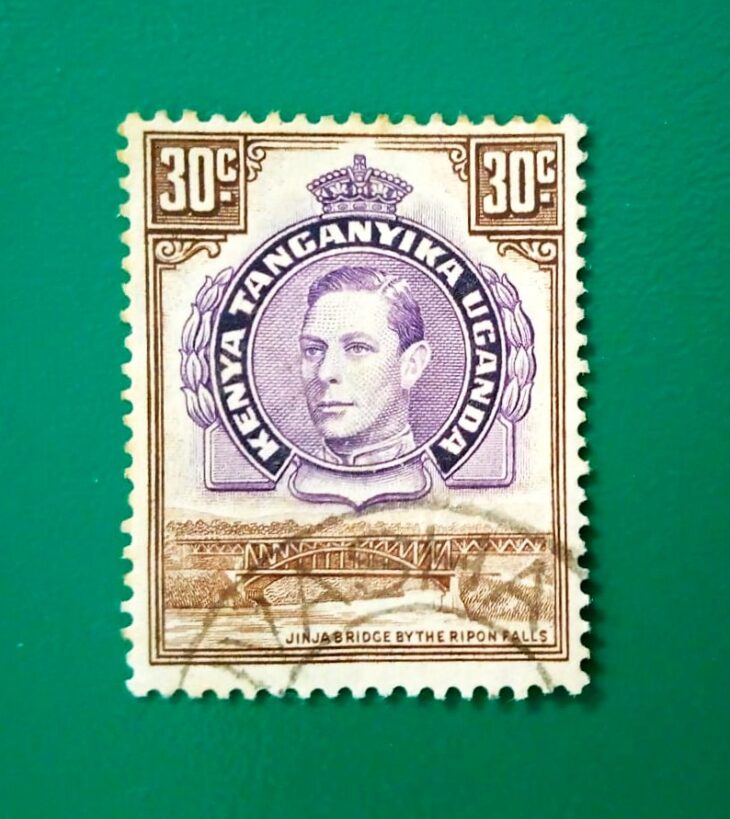
Issue:      Kenya King George VI 1952 Stamp Type:     Stamp Number of Stamps:      1 Stamps Denomination:       30 C, Issue Date:       1952 Issued By:      Kenya Post 

Issue:      Kenya King George VI 1952 Stamp

Type:     Stamp

Number of Stamps:      1

Stamps Denomination:       30 C,

Issue Date:       1952

Issued By:      Kenya Post


A Royal Legacy in Philately:


The Kenya King George marks an important era in both British and Kenyan history. Issued just before Kenya gained independence this stamp features the portrait of King George VI symbolizing British colonial rule. The design reflects the classic elegance of British imperial stamps with intricate details and high quality engraving. This issue is particularly significant as 1952 was the year of King George VI passing making it one of the last stamps to bear his image. it is a treasured artifact representing the transition from colonial administration to Kenya road to independence. Its historical importance and rarity make it a valuable addition to any philatelic collection.


A Lasting Colonial Imprint:


The 1952 stamp is one of the last stamps featuring the monarch before his death in February 1952. At the time Kenya was still a British colony and the stamp reflects the deep ties to the British Empire. Designed with a regal portrait of King George VI it showcases the authority of the crown over Kenya and neighboring territories. This stamp is of immense historical interest as it was issued during a time of political change in Kenya leading up to the Mau Mau Uprising and the eventual push for independence. it remains a cherished collector item sought after for its historical and artistic value.


A Rarity in Transition:


As one of the final stamps to feature King George VI the 1952 Kenya issue holds a special place in philatelic history. The design embodies the colonial aesthetic of the time with a dignified portrait of the king and traditional British stamp elements. This stamp is particularly rare because it was issued the same year Queen Elizabeth II ascended the throne. It represents the final chapter of British rule in Kenya before the country embarked on its journey to independence. Collectors value this stamp not only for its beauty but also for its significance in marking the end of an era in Kenyan history.

Australia 1938 2D King George Stamp

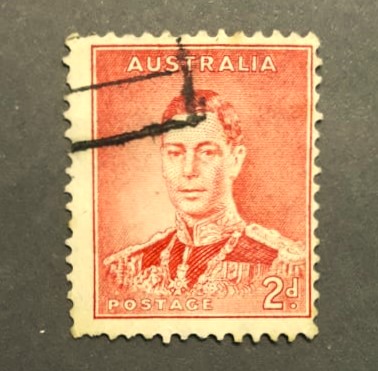
Issue:   Australia 1938 2D King George Stamp Type:   Stamp Number of Stamps:   1 Stamps Denomination:    2 D Issue Date:   1938 Issued By:   Australia Post

Issue:   Australia 1938 2D King George Stamp

Type:   Stamp

Number of Stamps:   1

Stamps Denomination:    2 D

Issue Date:   1938

Issued By:   Australia Post


A Royal Tribute

The Australia 1938 2D King George VI Stamp was issued to honor King George VI, who ascended to the British throne in 1936 following the abdication of his brother, Edward VIII. This stamp is part of a larger series of definitive stamps issued by Australia that prominently featured the monarch’s image.

King George VI: A Beloved Monarch

King George father of Queen Elizabeth II is remembered for his leadership during World War II and his role in stabilizing the British monarchy during a time of crisis. His reign from 1936 to 1952 spanned a tumultuous period in world history and his steady presence helped inspire confidence both in Britain and the wider British Commonwealth including Australia.

The Australian stamps featuring King George VI reflect not only his significance as a monarch but also the close ties between Australia and the United Kingdom during his reign.

Stamp Design: A Classic Royal Portrait

King George Stamp showcases a portrait of the king, dressed in his formal royal attire. The image is dignified and regal presenting King George VI as a strong and composed leader. The portrait is simple yet elegant reflecting the style of royal stamp from this period.

The stamp is printed in red (2D referring to its denomination of two pence) a common color for low value definitive stamps. The design is straightforward featuring the profile of the king with the words Australia at the top emphasizing the stamp origin and its connection to the Commonwealth.

A Piece of Australian Postal History

the 1938 2D King George VI Stamp is not only a tribute to a beloved king but also a part of Australia philatelic history. It represents a time when Australia still a dominion of the British Empire issued stamps that prominently featured the British monarch as a symbol of unity and shared heritage.

the Australia King George VI Stamp is a significant piece for philatelists symbolizing the historical and royal connection between Australia and the British monarchy during King George VI reign.