Tag - Animals

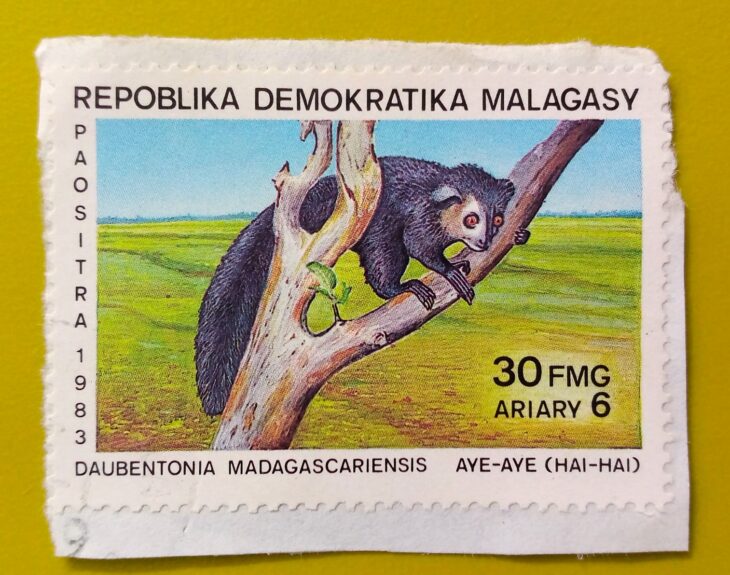
Madagascar Republic (Malagasy) Animal Aye-Aye 1983 Stamp

Issue:      Madagascar Republic (Malagasy) Animal Aye-Aye 1983 Stamp Type:       Stamp Number of Stamps:         1 Denominations:        3o FMG,  6 Ariary, Issue Date:         1983 Issued By:       Madagascar ( Post) 

Issue:      Madagascar Republic (Malagasy) Animal Aye-Aye 1983 Stamp

Type:       Stamp

Number of Stamps:         1

Denominations:        3o FMG,  6 Ariary,

Issue Date:         1983

Issued By:       Madagascar ( Post)


Madagascar Aye Aye Stamp

The Madagascar Republic issued the Aye Aye stamp in 1983 to highlight one of the most unique animals found on the island. The aye aye is a rare lemur species famous for its unusual appearance and nocturnal lifestyle. This method of feeding makes it stand out among other primates. By placing the aye aye on a postage stamp Madagascar gave the world a chance to learn about this special creature. The design of the stamp is striking and educational showing the aye aye in a natural style that connects the viewer to Madagascar biodiversity.


Rare Lemur of Madagascar:

The stamp of the Malagasy Republic celebrates one of the most unusual lemurs in the world. This stamp is more than a postal tool it is also a way to educate people about rare animals and the importance of protecting them. For collectors of animal or wildlife themes the aye aye stamp is a standout issue from the early 1980.


Protecting Wildlife:

The Madagascar Republic Aye Aye stamp from 1983 represents the theme of protecting wildlife. During that period many nations were using stamps to spread conservation messages and Madagascar joined with its focus on the aye aye. Its image on the stamp is not only attractive but also symbolic of Madagascar responsibility to preserve its environment. Collectors appreciate the stamp because it highlights a species that is little known but highly important. It reminds us that postage stamps are not just for sending letters they can also tell stories raise awareness and carry strong messages about nature and the world we live in.

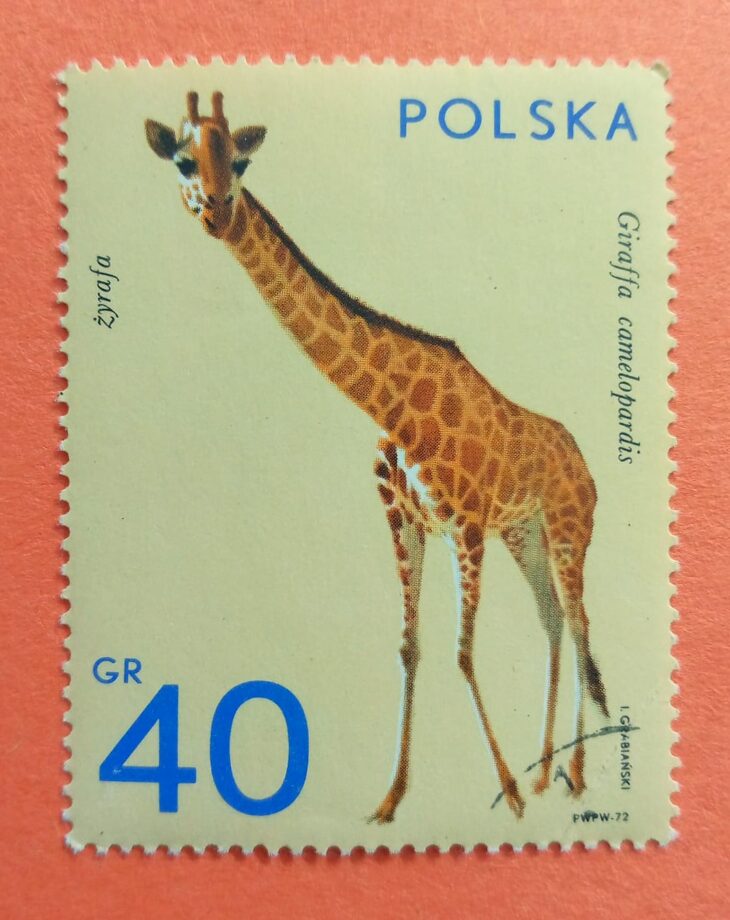
Poland Giraffe 1972 Stamp

Issue:     Poland Giraffe 1972 Stamp Type:     Stamp Number of Stamps:       1 Stamps Denomination:         40 Gr, Issue Date:        1972 Issued By:     Poland POST 

Issue:     Poland Giraffe 1972 Stamp

Type:     Stamp

Number of Stamps:       1

Stamps Denomination:         40 Gr,

Issue Date:        1972

Issued By:     Poland POST


Poland Giraffe:

The Poland Giraffe stamp is a beautiful issue that highlights wildlife from outside Europe. Poland produced several animal themed stamps in the 1970 and this one featuring the giraffe is among the most admired. The giraffe is known for its long neck, graceful body and calm nature. On the stamp the animal is shown in a simple design that allows the viewer to notice its elegance. This issue was part of a series that connected people with the natural world and reminded them of the importance of wildlife conservation. Collectors value it for both its artwork and its subject. At the time of release it also served an educational role teaching people in Poland about exotic animals rarely seen in the region. It remains a favorite for those who enjoy nature and animal themes in philately.


Wild Beauty:

The stamp from Poland carries a message of appreciation for nature. The giraffe often called the tallest land animal has always fascinated people with its appearance and behavior. By placing it on a stamp Poland reached beyond local borders to show the diversity of the world. The design is colorful yet simple giving attention to the unique pattern of the giraffe body. This issue reflects the 1970 style of stamp art which often balanced education and beauty. Many collectors include it in wildlife collections as it represents the idea of global nature. For Poland it was a way of sharing knowledge and inspiring curiosity about faraway lands. The giraffe stamp still holds strong appeal for both children and experienced philatelists.


Animal World:

Celebrates the richness of the animal world. It shows that stamps are not only for postage but also for learning and discovery. This stamp introduced many people to an animal that symbolizes grace height and calmness. It was part of a broader effort to display exotic wildlife and build awareness about animals beyond Poland own forests. Collectors continue to value this issue for its design theme and the message it carries. It stands as proof that stamps can connect nations to the beauty of nature across the globe. Even after decades, the giraffe stamp is admired for its charm and meaning.

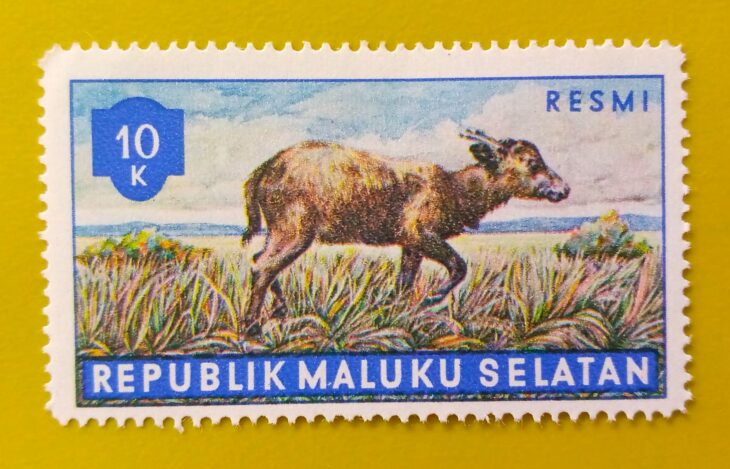
Republic of South Maluku Mountain anoa 10k 1955 Stamp

Issue:      Republic of South Maluku Mountain anoa 10k 1955 Stamp Type:      Stamp Number of Stamps:        1 Stamps Denomination:        10 K,   Issue Date:       1955 Issued By:      Indonesia post 

Issue:      Republic of South Maluku Mountain anoa 10k 1955 Stamp

Type:      Stamp

Number of Stamps:        1

Stamps Denomination:        10 K,  

Issue Date:       1955

Issued By:      Indonesia post


History and Story:

The Mountain Anoa stamp is one of the most memorable issues connected with the short history of the South Maluku Republic. This republic declared independence in 1950 but it was not recognized by most countries and remained politically unstable. Despite this situation leaders of the republic created stamps to show identity pride and culture. The Mountain Anoa was chosen as the subject of the 10k stamp in 1955. The Mountain Anoa is a small species of wild buffalo native to Sulawesi and is known for its strength and survival skills. By placing this animal on the stamp the republic wanted to express courage and resilience during difficult times. Collectors today see this stamp as a historic treasure that preserves a short but meaningful chapter of world history.


Design and Symbolism:

The design of the Republic of South Maluku stamp is simple and clear yet it carries deep symbolism. It features the image of the Mountain Anoa with the 10k value printed beside it. The choice of the Mountain Anoa reflects the qualities of endurance adaptability and independence. These were values that the South Maluku Republic wanted to project to the world even though it did not gain international recognition. For the people of the region the Anoa was not just an animal but also a symbol of nature and heritage. Through this stamp the republic connected its political struggle with its natural identity. For philatelists the stamp is admired because it shows how postage can become a medium of culture and storytelling.


Collector Value:

Stamp is highly significant. Stamps from unrecognized or short lived states always attract attention because they are both rare and meaningful. This issue is especially interesting because it combines political history with natural heritage. The Mountain Anoa is a unique animal found only in Indonesia and its image makes the stamp appealing to wildlife collectors as well as political history specialists. The 10k stamp is not only valued for its scarcity but also for the story it tells about a people striving for independence. Today it remains a prized collectible that reflects courage survival and identity.

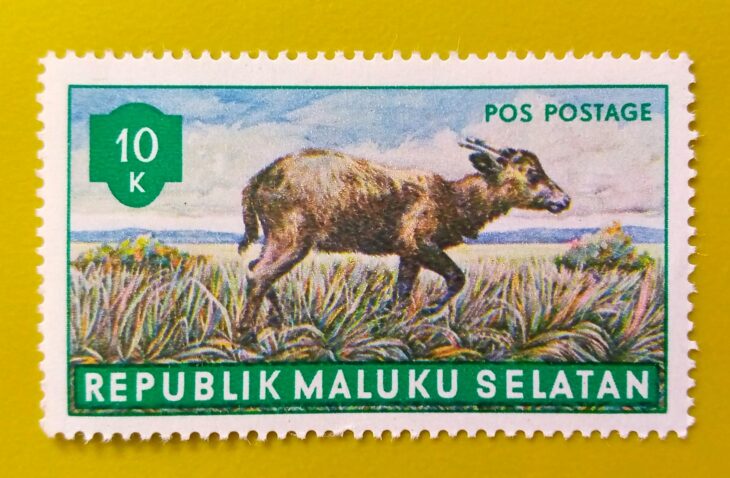
Republic of South Maluku Mountain anoa 10k 1955 Stamp

Issue:      Republic of South Maluku Mountain anoa 10k 1955 Stamp Type:      Stamp Number of Stamps:         1 Stamps Denomination:           10 K,   Issue Date:         1955 Issued By:        Indonesia post 

Issue:      Republic of South Maluku Mountain anoa 10k 1955 Stamp

Type:      Stamp

Number of Stamps:         1

Stamps Denomination:           10 K,  

Issue Date:         1955

Issued By:        Indonesia post


History and Background:

The Mountain Anoa stamp is an intriguing and symbolic issue that reflects the short lived story of the Republic of South Maluku. This region declared independence in 1950 but the movement faced political challenges and limited international recognition. Despite this background stamps were issued as a way to represent the young republic and its national identity. The Mountain Anoa a rare and endangered species native to Sulawesi was chosen as the central design. By using this animal the stamp became more than a postal item it became a piece of cultural and natural pride. For philatelists this 1955 issue remains highly collectible because of its unique connection to political history and rare subject matter.


Symbolism and Design:

The Mountain Anoa is a small wild buffalo found in the mountainous regions of Sulawesi. Featuring this animal on a stamp in 1955 was a way for the Republic of South Maluku to celebrate the biodiversity of the region while also building a national image through postal identity. The stamp carried a face value of 10k and was printed with simple yet meaningful artwork that captured the essence of the anoa. For collectors the design represents a blend of political symbolism and natural heritage. It also tells the story of how stamps are not just postal tools but also cultural ambassadors. The 1955 issue stands as a visual reminder of how nations even unrecognized ones used stamps to share their voice with the world.


Stamp Collector Importance:

For collectors worldwide the South Maluku Animal stamp is highly valued not for monetary worth alone but for the history it carries. Stamps from short lived or unrecognized states always attract strong interest among philatelists because they represent rare historical episodes. This issue is admired for its unique subject the Mountain Anoa and its connection to the brief existence of the South Maluku Republic. Collectors see it as a fascinating piece of history one that captures political struggle cultural pride and natural heritage all in one. It remains a significant reminder of how stamps preserve stories far beyond their postal use.

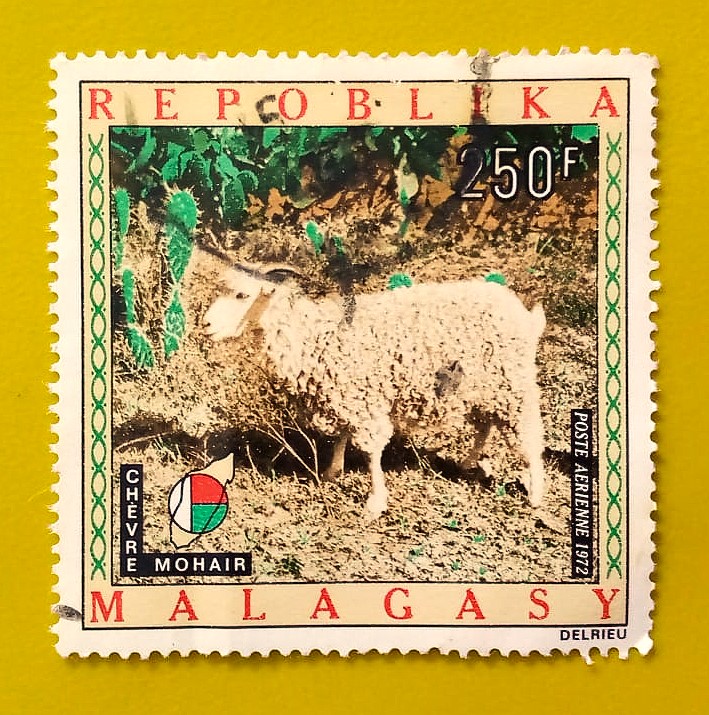
Republic Malagasy Mohair Goat (Angora goat) 1972 Stamp

Issue:        Republic Malagasy Mohair Goat (Angora goat) 1972 Stamp Type:         Stamp Number of Stamps:         3 Denominations:           2.50 F, Issue Date:           1972 Issued By:       Madagascar Post 

Issue:        Republic Malagasy Mohair Goat (Angora goat) 1972 Stamp

Type:         Stamp

Number of Stamps:         3

Denominations:           2.50 F,

Issue Date:           1972

Issued By:       Madagascar Post


A Gentle Goat with a Silky Coat:


In 1972 the Republic of Malagasy issued a beautiful postage stamp featuring the Mohair Goat also known as the Angora goat. This unique breed is famous for producing mohair a soft silky and shiny fiber that has been treasured for centuries in the textile industry. Originating from the Ankara region of Turkey the Angora goat was introduced to various parts of the world including Madagascar where it adapted well to local farming conditions. The stamp captures the goat’s elegant appearance with its long curly coat and calm gentle expression. By placing this animal on a postage stamp Madagascar celebrated both agricultural heritage and the value of sustainable livestock farming. The design is simple yet graceful making it a charming collectible for animal lovers and stamp enthusiasts alike.


Mohair The Luxury Fiber of Nature:


Mohair is often called the diamond fiber of the textile world due to its smooth texture natural shine and durability. The Angora goat produces this fiber in abundance and it can be dyed into bright vibrant colors while still keeping its silky feel. In Madagascar mohair has been used to make high quality clothing scarves blankets and decorative fabrics. Featuring the Mohair Goat on stamp was a way to honor the role of these animals in rural livelihoods and traditional craftsmanship. The detailed illustration on the stamp shows the goat’s beautiful curls hinting at the luxurious fabric they produce. It serves as both an educational piece and a celebration of the nation agricultural richness.


A Symbol of Tradition and Sustainability:


Stamp is more than just a small piece of paper it is a symbol of a sustainable relationship between humans and animals. The Mohair Goat thrives in different climates and provides valuable fiber without harming the animal itself since the mohair is simply sheared like wool. By issuing this stamp Madagascar sent a quiet but meaningful message about valuing renewable resources and preserving traditional farming practices. Today it stands as a gentle reminder that nature can provide luxury without exploitation when treated with care and respect. For collectors it is a treasured piece that combines beauty agriculture and history in one small work of art.