
Category - Special Releases

Embark on a fascinating philatelic journey through the world of special releases! Discover the extraordinary and highly coveted stamps that are issued as limited editions or special releases. These stamps are often created to commemorate significant events, anniversaries, or cultural milestones, and they often feature unique designs, printing techniques, or embellishments. From intricately detailed stamps with gold or silver foiling to stamps with holographic or lenticular effects, these special releases capture the imagination and showcase the innovation of stamp production. Collect these exceptional stamps, delve into the stories behind their creation, and immerse yourself in the captivating world of special release stamp collecting. Let these stamps transport you to a realm of exclusivity and artistic brilliance, where each unique specimen holds the allure of rarity and the thrill of owning a truly extraordinary piece of postal history. Start your collection today and embark on a philatelic adventure that will challenge your eye for detail, ignite your appreciation for craftsmanship, and honor the remarkable beauty of special release stamps.

Austria Cellini Salt Cellar 1971 Stamp

Issue:      Austria Cellini Salt Cellar 1971 Stamp Type:      Stamp Number of Stamps:        1 Stamps Denomination:         3.50 S, Issue Date:         1971 Issued By:      Austria Post

Issue:      Austria Cellini Salt Cellar 1971 Stamp

Type:      Stamp

Number of Stamps:        1

Stamps Denomination:         3.50 S,

Issue Date:         1971

Issued By:      Austria Post


Golden Masterpiece from Renaissance Genius:


Austria 1971 stamp features the legendary Cellini Salt Cellar a dazzling gold sculpture created by Italian artist Benvenuto Cellini during the Renaissance this exquisite object also known as the Saliera is widely regarded as one of the finest works of decorative art ever made blending mythology symbolism and astonishing craftsmanship into a single luxurious piece the stamp captures the elegance of this famous treasure with sharp detail and deep appreciation for both history and artistry.


Symbol of Wealth Beauty and European Art:


Commissioned in the 16th century for King Francis I of France the Cellini Salt Cellar blends male and female figures representing the sea and earth respectively the golden artwork was later acquired by the Habsburgs and became part of Austria imperial collections its presence on a 1971 Austrian stamp emphasizes the cultural value Austria places on preserving and celebrating European artistic heritage the salt cellar symbolizes luxury refined taste and a time when art served both function and status.


A Small Stamp Honors a Priceless Treasure:


Though the actual sculpture is made of gold enamel and ebony the stamp version transforms this historic masterpiece into a small printed gem of national pride it invites viewers to learn about the intersection of art myth and utility from centuries past the 1971 issue stands as a tribute not only to Cellini brilliance but also to Austria dedication to honoring world class art through philately this stamp reminds collectors of how a single object can reflect the creative peak of a whole era

Romania Baseball (Oina) Stamp

Issue:       Romania Baseball (Oina) Stamp Type:        Stamp Number of Stamps:         1 Stamps Denomination:        35 Bani, Issue Date:       1960 Issued By:      Romania Post

Issue:       Romania Baseball (Oina) Stamp

Type:        Stamp

Number of Stamps:         1

Stamps Denomination:        35 Bani,

Issue Date:       1960

Issued By:      Romania Post


Ancient Game Lives On:


The Romania Oina stamp celebrates a traditional national sport that resembles baseball yet predates it by centuries. Oina is a Romanian team game played with a bat and ball and has deep historical roots dating back to the 14th century. The stamp shows energetic players in mid action dressed in traditional sportswear and positioned on an open field. The scene captures the motion of hitting and running bringing this lesser-known but culturally rich sport to life. Romania honors its past by keeping Oina alive and placing it on a stamp as a proud symbol of national heritage and athletic spirit.


Romanian Roots of Bat and Ball:


This special Romanian stamp does more than illustrate a sport it tells the story of a game that shaped local athletic culture long before modern baseball gained global fame. Oina involves hitting a small leather ball with a wooden bat and scoring by running between zones while avoiding defenders. The stamp design reflects both tradition and movement with clean illustrations and bold lines. Issued to promote national games and cultural identity this stamp brings attention to Oina as a source of pride. It shows how Romania values its native sports just as much as international ones.


Heritage Sport in Full Motion:


The Oina stamp transforms a moment of traditional sport into an image of timeless motion and cultural pride. It celebrates teamwork endurance and homegrown competition. The players on the stamp are not just athletes but symbols of Romanian resilience and community. Oina is taught in schools and played in rural areas keeping the connection to history strong. By placing this sport on a stamp Romania invites the world to discover a unique and ancient form of bat and ball play. It is a reminder that sports are not just entertainment they are reflections of national identity tradition and shared joy passed down through generations.

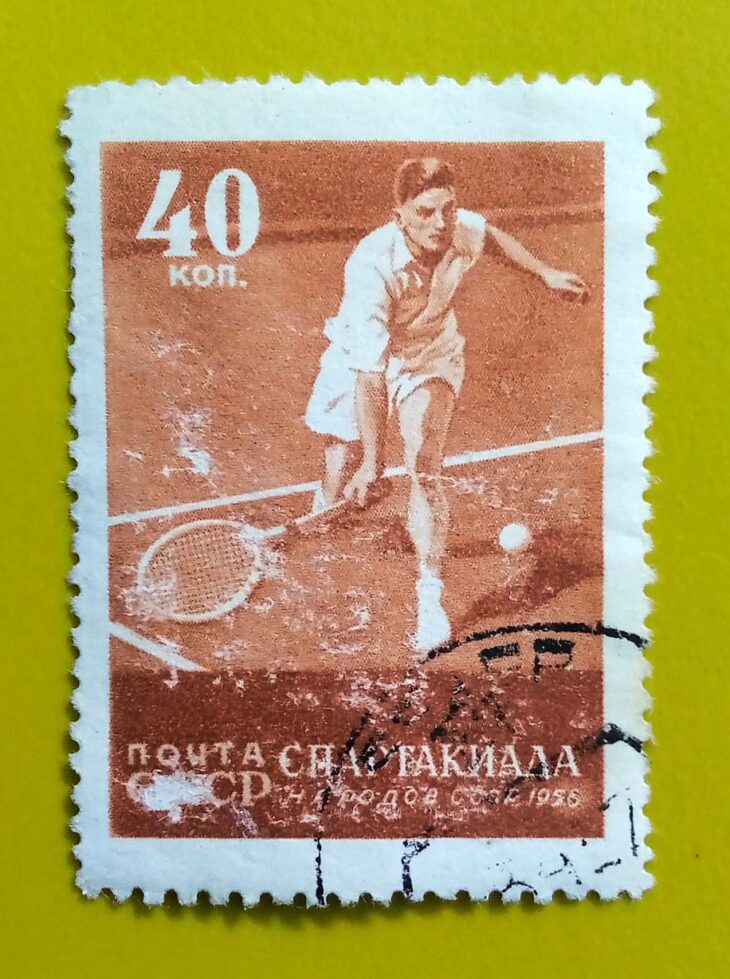
Russia Soviet Union Tennis 1956 Stamp

Issue:      Russia Soviet Union Tennis 1956 Stamp Type:       Stamp Number of Stamps:           1 Stamps Denomination:          40 K, Issue Date:          1956 Issued By:        Russia POST 

Issue:      Russia Soviet Union Tennis 1956 Stamp

Type:       Stamp

Number of Stamps:           1

Stamps Denomination:          40 K,

Issue Date:          1956

Issued By:        Russia POST


Tennis Becomes Symbol of Elegance and Discipline:


Russia (Soviet Union) Tennis Stamp represents a striking moment in philately where a traditionally Western sport was celebrated within the USSR. Issued during a time of increasing Soviet interest in international athletic competitions this stamp showcases a tennis player in dynamic motion reflecting both grace and strength. Tennis was still developing in popularity across the Soviet republics but the government recognized its growing appeal and promoted it as part of a broader push for physical culture. The stamp served not only as a celebration of sport but also as a subtle cultural message that the Soviet Union embraced global games while promoting its own values of discipline and unity.


Bold Design Highlights Athletic Focus and Motion:


The stamp’s design features a tennis player captured in the middle of a powerful serve or stroke emphasizing fluid motion and intense concentration. Rendered in the socialist realism style common to the era the athlete is portrayed with idealized strength and focus symbolizing the Soviet ideal of perfection through practice. Background elements may include simple court markings or abstract dynamic lines suggesting speed and competition. The overall tone is energetic with a hint of formality capturing tennis not just as a sport but as a refined and disciplined activity suitable for Soviet youth and citizens alike.


More Than Postage It Reflects Changing Times:


Stamp also reflects a shift in how the Soviet Union presented itself to the world. During the Cold War stamps were important tools of soft power used to communicate progress culture and strength. Highlighting tennis on a national stamp indicated the USSR desire to be seen not just as a political and military power but also as a modern and cultured society. For collectors today this stamp holds historical value not only for its design but for what it reveals about mid century Soviet attitudes toward international sport and identity. It captures a unique moment when a simple game became a symbol of national development framed within the quiet elegance of a postage stamp.

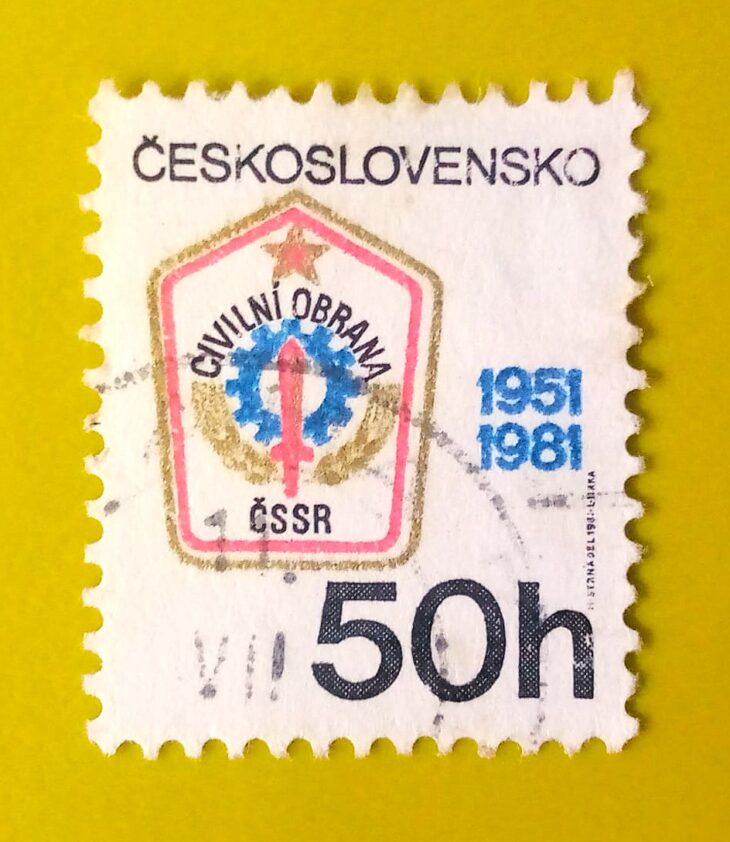
Czechoslovakia Civil Defense 1981 Stamp

Issue:      Czechoslovakia Civil Defense 1981 Stamp Type:      Stamp Number of Stamps:        1 Stamps Denomination:      50 h, Issue Date:        1981 Issued By:       Czechoslovakia Postal Service (USPS) 

Issue:      Czechoslovakia Civil Defense 1981 Stamp

Type:      Stamp

Number of Stamps:        1

Stamps Denomination:      50 h,

Issue Date:        1981

Issued By:       Czechoslovakia Postal Service (USPS)


Preparedness in Peaceful Times:


1981 Civil Defense stamp highlights the importance of national readiness and public safety during a time of global tension and local responsibility. The stamp features stylized symbols of protection such as helmets shields communication lines and alert sirens representing organized efforts to defend citizens in case of emergencies. Civil defense during this period included training civilians to respond to natural disasters industrial accidents or wartime threats. This stamp honors those silent efforts that often go unseen the planners responders and ordinary people committed to safety and survival in any situation.


Symbols of Safety and Strength:


Issued in 1981 this Civil Defense stamp reflects a broader social message about unity discipline and community awareness. Its design is often bold and geometric using strong colors like red black and blue to convey urgency and seriousness. Imagery may include gas masks radio towers fire brigades or rescue workers symbolizing the various components of civil protection. The stamp speaks to the need for preparedness not only at a state level but also at the local and individual level. It turns a practical subject into a symbol of civic duty and national resilience.


Guardians Behind the Scenes:


The stamp is more than a visual acknowledgment it is a tribute to quiet heroes and organized prevention. At a time when Cold War fears and technological risks were real this issue emphasized readiness without panic and protection without fear. It recognizes the role of education drills and infrastructure in keeping communities safe and informed. The stamp also serves as a reminder that peace requires planning and that the strongest societies are those that prepare in calm to face the storm. Through sharp imagery and thoughtful symbolism this Czechoslovakian stamp remains a powerful message of civic strength teamwork and the invisible work of defense that supports everyday life.

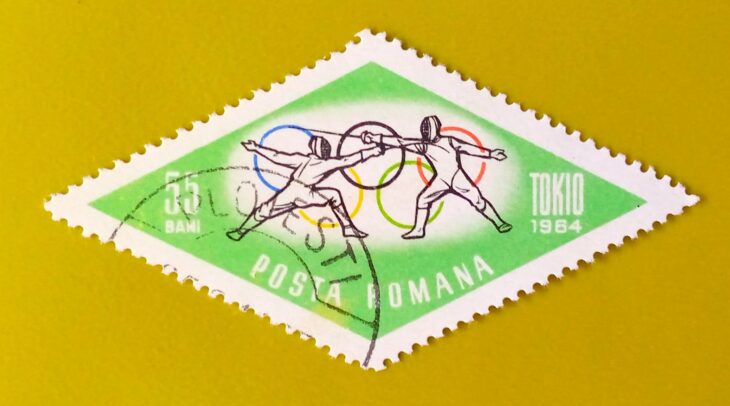
Romania Summer Olympics Fencing 1964 Stamp

Issue:       Romania Summer Olympics Fencing 1964 Stamp Type:        Stamp Number of Stamps:         1 Stamps Denomination:        55 Bani, Issue Date:       1964 Issued By:      Romania Post 

Issue:       Romania Summer Olympics Fencing 1964 Stamp

Type:        Stamp

Number of Stamps:         1

Stamps Denomination:        55 Bani,

Issue Date:       1964

Issued By:      Romania Post


Blades of Precision and Speed:


The stamp celebrating the Summer Olympics features the dynamic sport of fencing. With a sharp and elegant design, it captures the swift motion of two fencers in action, frozen in a moment of intense concentration and agility. Fencing has long been one of the most graceful and strategic Olympic sports combining speed with discipline. The stamp honors not only the tradition of Olympic competition but also Romania respect for the skill and mental strength required in fencing. It is a symbol of honor courage and the beauty of athletic combat at the highest level.


Romania Salutes Olympic Spirit:


Issued for the 1964 Tokyo Summer Olympics this Romanian stamp is part of a series showcasing different sports. The fencing design stands out with its clean lines and balanced movement. Both athletes are shown with precision their foils clashing in a test of timing and reflexes. This Olympic issue celebrates international unity through sport and reflects Romania enthusiasm for global competition. Fencin with its roots in historical dueling is presented here as a modern sport that combines heritage and progress. Through this image Romania sends a message of discipline elegance and the enduring spirit of fair play.


Art of Duel in Small Frame:


The 1964 fencing stamp from Romania turns a moment of Olympic combat into a piece of visual art. The sleek uniforms masked faces and flashing blades tell a story of tension and skill. It represents more than just a sport it is the embodiment of focus movement and precision. The stamp pays tribute to the athletes who dedicate years of training for a chance to perform on the world stage. It reminds collectors and sports fans alike that greatness is often built on quiet determination and exact timing. With bold design and strong symbolism this stamp remains a striking reminder of Olympic excellence and national pride.

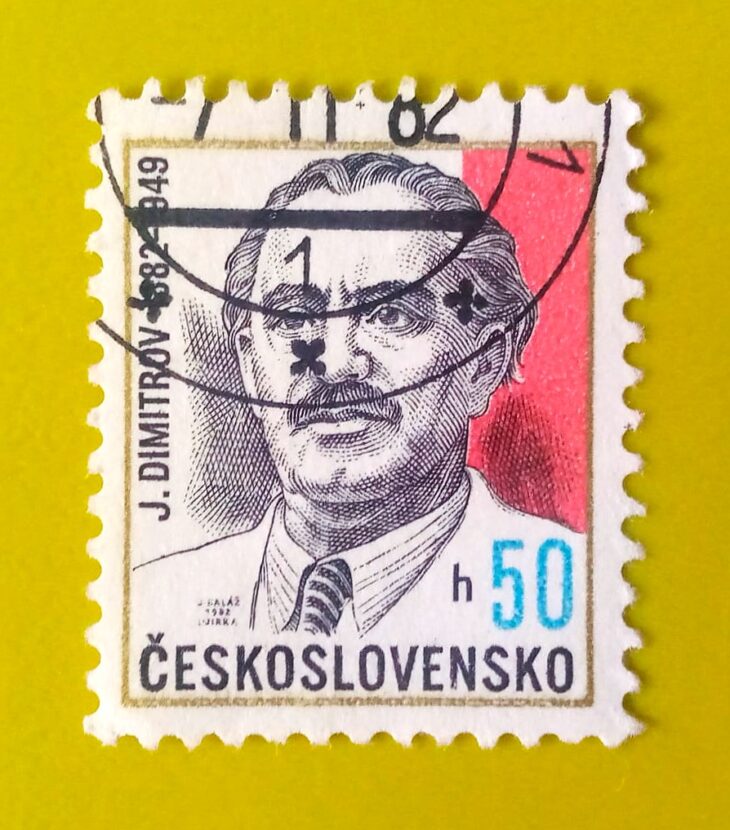
Czechoslovakia Georgi Dimitrov Mihaylov Stamp

Issue:         Czechoslovakia Georgi Dimitrov Mihaylov Stamp Type:         Stamp Number of Stamps:         2 Stamps Denomination:         50h, Issue Date:           1982 Issued By:         Czechoslovakia Postal Service (USPS)

Issue:      Czechoslovakia Georgi Dimitrov Mihaylov Stamp

Type:      Stamp

Number of Stamps:       2

Stamps Denomination:      50h,

Issue Date:        1982

Issued By:       Czechoslovakia Postal Service (USPS)


Voice of the Workers Remembered:


The Czechoslovakia stamp featuring Georgi Dimitrov Mihaylov pays tribute to a powerful figure in 20th-century socialist history. Known for his leadership in the international communist movement and as the first communist leader of Bulgaria Dimitrov became a symbol of resistance against fascism and a strong voice for workers rights. The stamp usually shows his portrait in a serious thoughtful expression framed by clean lines and national symbols. It honors his role not just as a political leader but as a revolutionary thinker whose influence reached across Eastern Europe and beyond during a time of ideological transformation.


Symbol of Unity and Struggle:


Issued during the socialist era this Czechoslovakian stamp reflects the political values of solidarity internationalism and class consciousness. His bravery and eloquence made him a hero among communist supporters and the stamp captures that legacy in a simple yet powerful design. By honoring Dimitrov Czechoslovakia recognized shared struggles and ideals between nations working toward a collective socialist future.


Legacy Sealed in History:


The stamp stands as a historical artifact from a period when political leaders were celebrated not just for governance but for their ideological contributions. His image on Czechoslovakian postage links two countries with common political paths during the Cold War era. This stamp serves as both a tribute and a teaching tool reminding citizens and collectors of a man who shaped political thought through words resistance and leadership. Though times have changed the stamp preserves a moment in history when revolutionary ideals were honored through official imagery carrying messages not just across borders but across time and memory. It remains a lasting symbol of dedication to a cause and the enduring power of conviction.

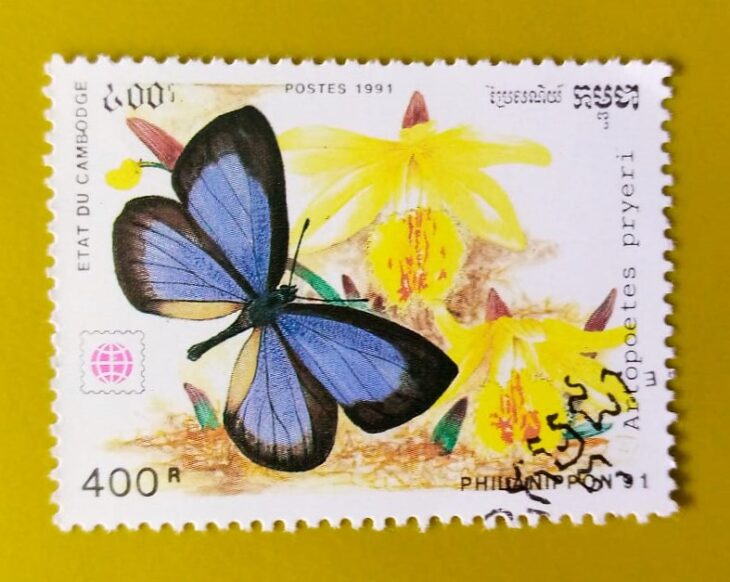
Cambodia Artopoetes Pryeri Butterfly 1991 Stamp

Issue:      Cambodia Artopoetes Pryeri Butterfly 1991 Stamp Type:      Stamp Number of Stamps:         1 Denominations:        400 R,         Issue Date:       1991 Issued By:       Cambodia Post 

Issue:      Cambodia Artopoetes Pryeri Butterfly 1991 Stamp

Type:      Stamp

Number of Stamps:         1

Denominations:        400 R, 

Issue Date:       1991

Issued By:       Cambodia Post


Tiny Jewel of the Cambodian Forest:


The 1991 featuring the butterfly Artopoetes pryeri celebrates a rare and exquisite species known for its delicate wings and subtle lavender blue tones this butterfly belongs to the Lycaenidae family often referred to as the gossamer winged butterflies which are among the smallest and most colorful in the world the stamp captures the fragile elegance of Artopoetes pryeri set against a gentle background that enhances its shimmering detail and quiet presence in the forest.


Messenger of Delicate Ecosystems in Nature:


Artopoetes pryeri thrives in quiet forest regions feeding on nectar and playing an important role in the balance of plant and insect life it symbolizes the sensitivity of natural ecosystems and the need to protect even the smallest members of the environment its limited range and specialized habitat make it an indicator of biodiversity health the 1991 stamp becomes more than a collector piece it is a visual reminder of nature intricate design and the importance of environmental awareness in Cambodia.


A Miniature Work of Winged Art on Postage:


Stamp from 1991 is part of a butterfly series designed to combine scientific accuracy with visual appeal the illustration of Artopoetes pryeri highlights its soft pastel colors and precise wing pattern making it both a tribute to nature and a collector delight butterflies are a timeless symbol of transformation beauty and fragility and this stamp preserves that essence in printed form through this small canvas Cambodia tells a big story about pride in its wildlife artistic heritage and dedication to ecological education

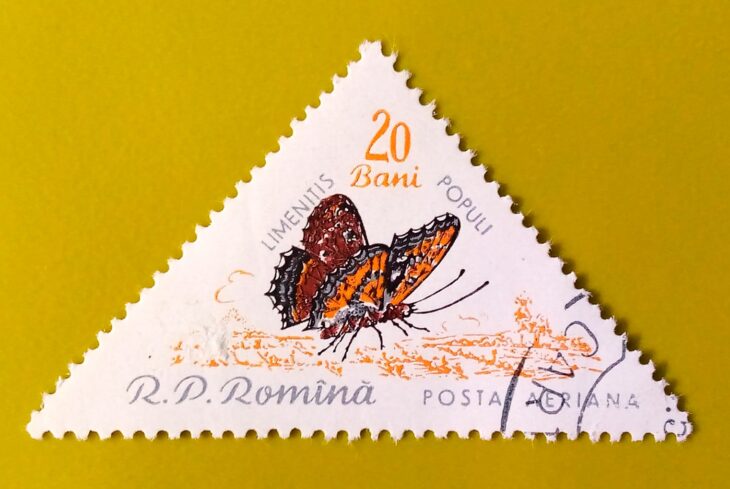
Romania Butterfly Poplar admiral (Limenitis Populi) 1960 Stamp

Issue:       Romania Butterfly Poplar admiral (Limenitis Populi) 1960 Stamp Type:        Stamp Number of Stamps:         1 Stamps Denomination:        20 Bani, Issue Date:       1960 Issued By:      Romania Post 

Issue:       Romania Butterfly Poplar admiral (Limenitis Populi) 1960 Stamp

Type:        Stamp

Number of Stamps:         1

Stamps Denomination:        20 Bani,

Issue Date:       1960

Issued By:      Romania Post


Wings of Forest Grace:


The Romania 1960 stamp featuring the Poplar Admiral (Limenitis populi) showcases one of Europe largest and most majestic forest butterflies. With its broad dark wings edged in white and hints of blue shimmer this butterfly is both powerful and delicate. The stamp captures it in perfect form wings open and ready to fly symbolizing the freedom and beauty of Romania natural world. Native to wooded regions across Europe the Poplar Admiral prefers quiet groves and tall trees where it glides in and out of sunlight. Through this image the stamp tells a quiet story of nature elegance and balance.


Symbol of Hidden Beauty:


Issued in 1960 as part of a Romanian wildlife series this stamp places the Poplar Admiral in the spotlight turning a seldom seen forest dweller into a national emblem. The butterfly deep brown wings and pale markings are reproduced with care giving the image a lifelike quality. This species is known for being elusive and shy often hiding in high tree branches. Its appearance on a stamp gives collectors and nature lovers a chance to admire it up close. Romania uses this design not only to showcase biodiversity but to remind viewers of the hidden treasures found in local woodlands.


Nature Captured in Flight:


The Poplar Admiral stamp is more than a celebration of a single butterfly it reflects Romania commitment to preserving its ecosystems and inspiring environmental awareness. The butterfly short seasonal flight and specific habitat make it a delicate symbol of nature rhythms. On this 1960 stamp it becomes a timeless messenger of beauty and fragility. The elegant illustration detailed yet soft speaks to both scientific interest and artistic expression. With every letter it traveled on this stamp carried not just mail but a message from nature. It remains a cherished piece among collectors and a lasting tribute to the quiet wonders of Romania’s forests.

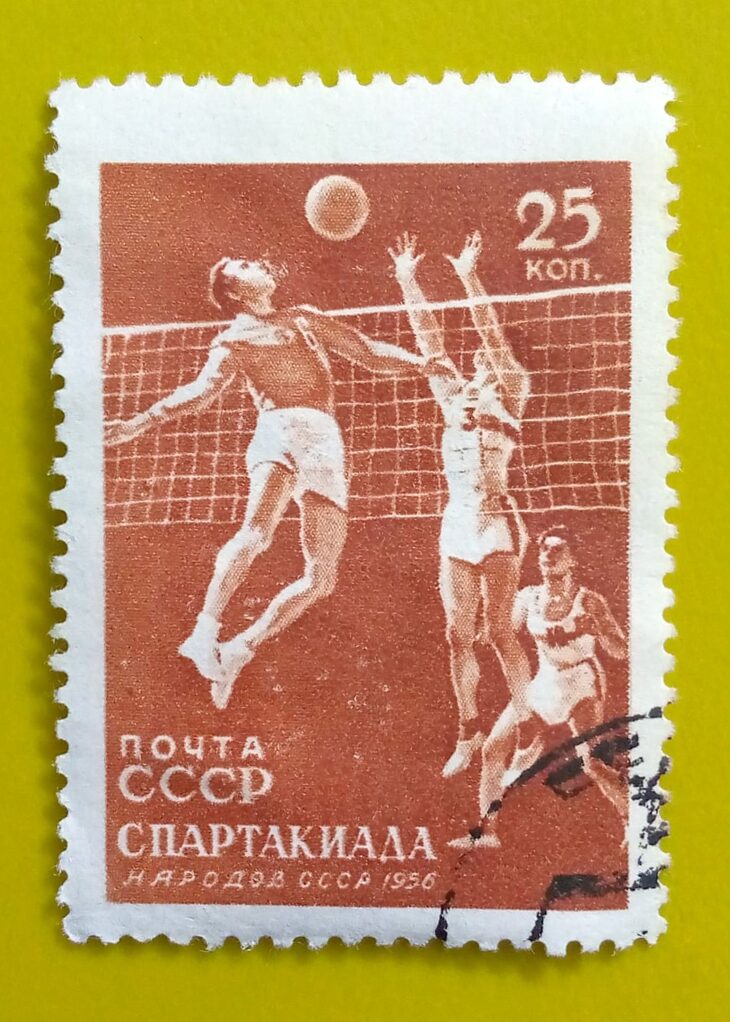
Russia Soviet Union Spartakiad 1956 Sports Stamp

Issue:      Russia Soviet Union Spartakiad 1956 Sports Stamp Type:       Stamp Number of Stamps:           1 Stamps Denomination:          25 K, Issue Date:          1956 Issued By:        Russia POST 

Issue:      Russia Soviet Union Spartakiad 1956 Sports Stamp

Type:       Stamp

Number of Stamps:           1

Stamps Denomination:          25 K,

Issue Date:          1956

Issued By:        Russia POST


Soviet Spartakiad National Unity Through Sport:


Soviet Union Spartakiad stamp is a powerful representation of physical culture as a central pillar of Soviet life. Issued to commemorate the grand Spartakiad of the Peoples of the USSR this stamp reflects the wide reaching sports festival that gathered athletes from across the vast Soviet republics. More than just a competition the Spartakiad symbolized unity among different ethnic groups under the banner of socialism. The stamp artwork features athletes in motion often captured in mid run or mid-throw highlighting the energy strength and dedication of the Soviet people. It celebrated not only elite sports but also mass participation which was a core ideal of Soviet policy.


Dynamic Design Reflects Soviet Athletic Ideals:


The stamp’s design uses bold outlines clean composition and heroic figures to communicate strength and determination. The athletes are not individuals but representatives of the collective spirit disciplined and focused. The red and gold tones commonly used in such issues underscore themes of glory effort and national pride. The Spartakiad was viewed as both preparation for international events like the Olympics and as a way to cultivate internal solidarity. This stamp carried those values in miniature form spreading them through mail across cities villages and borders. It became a visual reminder that health discipline and loyalty were vital Soviet virtues.


Culture Identity and Propaganda:


As with many Soviet stamps of the era the 1956 Spartakiad issue functioned as more than just postage. It was a tool for cultural messaging aiming to inspire workers students and soldiers alike. The Spartakiad was not simply a sports event but a carefully organized display of physical and ideological strength. This stamp promoted the image of a united progressive and physically robust society. For modern collectors it holds value not only for its design but also for its insight into how the Soviet Union used sports as soft power. It captures a unique moment in history when athleticism was closely tied to national identity and ideological education making this stamp a small but meaningful piece of a larger narrative.

Cambodia Argynnis Anadyomene Butterfly 1991 Stamp

Issue:      Cambodia Argynnis Anadyomene Butterfly 1991 Stamp Type:      Stamp Number of Stamps:         1 Denominations:       100 yen, Issue Date:       1991 Issued By:       Cambodia Post 

Issue:      Cambodia Argynnis Anadyomene Butterfly 1991 Stamp

Type:      Stamp

Number of Stamps:         1

Denominations:       100 yen,

Issue Date:       1991

Issued By:       Cambodia Post


Golden Wings Glowing in Cambodian Nature:


The 1991 Cambodia stamp featuring Argynnis Anadyomene honors a butterfly known for its radiant golden orange wings and elegant flight pattern this species often found fluttering in open woodlands and meadows adds a lively sparkle to the landscape its wings are marked with intricate black patterns and hints of green on the underside giving it both camouflage and brilliance this beautiful butterfly symbolizes vitality and freedom and its appearance on a national stamp highlights Cambodia commitment to showcasing native biodiversity and natural beauty through philately.


A Symbol of Lightness and Seasonal Life:


Argynnis anadyomene is not just admired for its color it also plays a meaningful ecological role by helping pollinate flowers and indicating the health of its habitat commonly seen during warm months it follows the bloom of wildflowers and reflects the cycles of seasonal life in nature the butterfly presence on a 1991 Cambodian stamp celebrates these natural rhythms while educating the public about the importance of butterflies in maintaining ecological harmony and pollinator diversity.


Nature Art Framed on Cambodian Postage:


Stamp design is part of a butterfly series that transforms natural subjects into miniature artworks Argynnis anadyomene is shown in a delicate and detailed illustration surrounded by soft tones that enhance its vivid features this stamp captures the fascination with winged insects that has long inspired artists naturalists and collectors alike through this image Cambodia brings attention to the artistic value of nature and promotes pride in its native species while raising awareness about conservation and environmental appreciation