
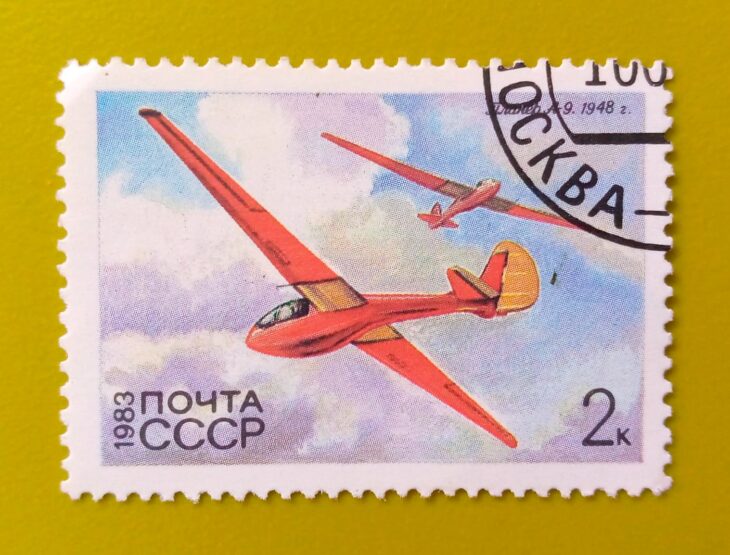
Issue: Russia Soviet Union Antonov A-9 Aircraft 1983 Stamp
Type: Stamp
Number of Stamps: 1
Stamps Denomination: 2 K,
Issue Date: 1983
Issued By: Russia POST
Antonov A9 Aircraft:
The Soviet Union issued a stamp in 1983 featuring the Antonov A9 aircraft. This stamp is an interesting piece of history that reflects the achievements of Soviet aviation. The Antonov A9 was designed as a glider for use in training and sport activities. By placing this aircraft on a stamp the Soviet Union highlighted the importance of aviation development and education. Stamps like this were not only used for mailing letters but also worked as symbols of pride in science and technology. Collectors around the world value this issue because it tells a story about flight and innovation during the Cold War era.
Antonov A9 Aircraft Known For Design And Role:
The Antonov A9 aircraft was a glider built in the Soviet Union for training pilots and for testing skills. It had a sleek and simple design that made it reliable for beginners and effective for sport flying. Gliders like the Antonov A9 did not use engines but relied on air currents to stay in flight. This design gave pilots the chance to practice control and navigation in challenging conditions. Featuring such an aircraft on a postage stamp showed the Soviet commitment to strengthening aviation knowledge. It also symbolized the blend of sport and science that was common in the Soviet Union during that time.
Collectors Admire Soviet Aviation Stamp:
The Russia Soviet Union Antonov A9 Aircraft 1983 stamp continues to be admired by collectors of aviation and Soviet history. Its clear artwork and detailed image of the glider make it a standout issue. Many collectors see it as part of the wider tradition of Soviet stamps that celebrated technology achievements and national progress. Beyond its collectible value the stamp reflects how the Soviet Union presented itself as a leader in science and flight. It remains a popular piece among philatelists who focus on aviation themes. Through this stamp one can learn not only about an aircraft but also about the cultural pride and scientific drive of the Soviet era.
